Adaptive Crypto Incentives Shaping Player Loyalty in Mobile Poker and Sports Platforms
Zoe Butler · Aug 4, 2026
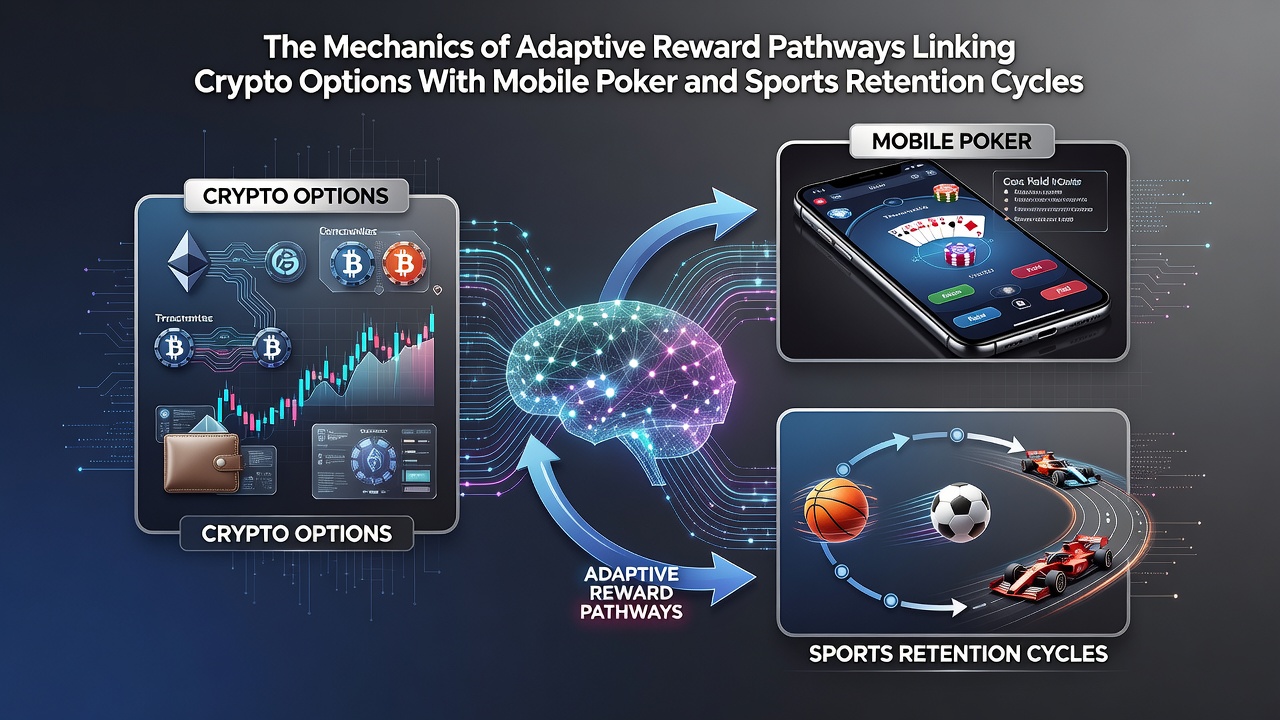
Adaptive Crypto Incentives Shaping Player Loyalty in Mobile Poker and Sports Platforms
Platform operators have developed layered systems where cryptocurrency options integrate directly into reward structures, allowing real-time adjustments based on individual play patterns across poker tables and sports markets. These adaptive pathways track metrics such as session length, wager volume, and game type selection, then recalibrate bonus allocations to match user behavior while maintaining engagement throughout August 2026 and beyond.
Core Components of Crypto-Linked Reward Mechanisms
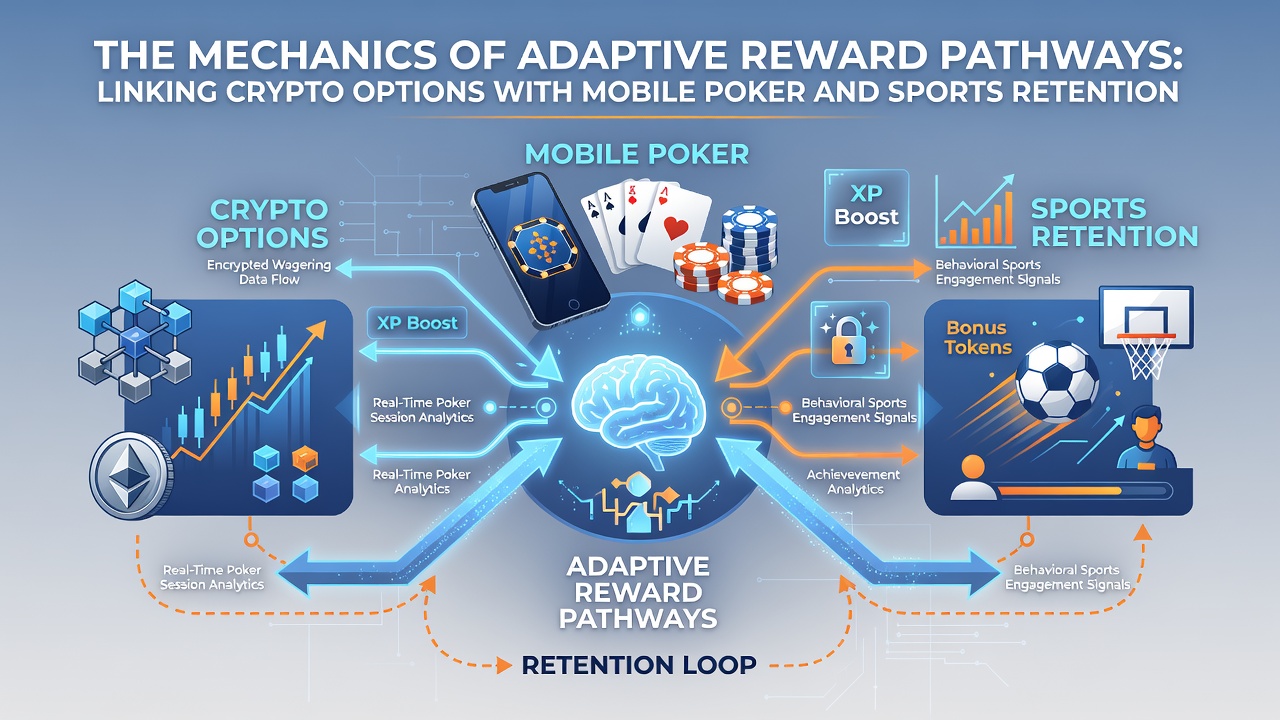
Operators deploy algorithms that convert traditional bonus credits into crypto tokens or stablecoins at variable rates, and this conversion process responds to market volatility plus player preferences. Data indicates that platforms using these options report higher retention because users gain immediate access to diversified withdrawal methods, which reduces friction during cash-out requests after poker tournaments or live sports events.
Researchers at institutions studying digital wagering note that reward tiers evolve through machine learning models, and these models analyze historical data to predict when a player might disengage. The system then deploys targeted crypto-based reloads or rakeback enhancements that activate during predicted drop-off periods, creating a continuous loop of incentive delivery tied to both poker hand frequency and sports betting streaks.
Mobile Integration and Retention Cycle Dynamics
Mobile applications embed these pathways within user interfaces that display crypto balances alongside standard loyalty points, and seamless switching between currencies encourages sustained activity. Studies from regional gaming authorities show that players who utilize crypto options in sports betting maintain longer account lifespans compared with those limited to fiat-only systems, largely because transaction speed supports rapid re-entry into new wagers or poker sit-and-gos.
One documented pattern involves progressive unlocking of higher reward multipliers after consecutive active days, where crypto elements allow instant verification of holdings without traditional banking delays. This structure proves particularly effective for sports retention cycles, as users receive adaptive cashback on losing bets that converts automatically into poker tournament entries or live betting credits.
Data Patterns Across Platforms in Mid-2026
Industry reports compiled through August 2026 reveal that platforms combining crypto flexibility with mobile poker features achieve average retention improvements of 18 to 24 percent over static bonus models. The mechanics rely on feedback loops that monitor cross-product movement, such as a sports bettor shifting to poker after a major event, then receiving crypto incentives calibrated to encourage that transition without disrupting overall spend.
According to analyses from the Australian Gambling Research Centre, these adaptive systems reduce churn by aligning reward timing with peak user vulnerability points. Meanwhile, blockchain analytics from firms tracking transaction flows confirm that crypto option adoption correlates with increased frequency of smaller, repeated deposits rather than sporadic large transactions.
Technical Architecture Supporting Adaptive Pathways
Backend infrastructure uses smart contracts to automate reward distribution once predefined behavioral thresholds are met, and this automation eliminates manual intervention while ensuring consistency across time zones. Developers integrate volatility buffers so that crypto value fluctuations do not erode perceived reward value, maintaining player trust during periods of market movement.
Operators further refine these pathways through A/B testing on segmented user groups, comparing retention outcomes when crypto options receive different weighting versus traditional loyalty points. Results consistently demonstrate that hybrid models sustain engagement across both poker and sports verticals by offering choice without overwhelming interface complexity.
Conclusion
Adaptive reward pathways that link crypto options to mobile poker and sports activities continue to evolve through iterative data refinement, and platform operators apply these mechanics to extend user lifecycles while responding to shifting preferences observed through mid-2026. The integration creates measurable retention advantages when executed with precise behavioral triggers and transparent conversion processes.