Adaptive Reward Algorithms Sync Milestones to Live Volatility in Integrated Betting Platforms
Zoe Butler · Aug 22, 2026
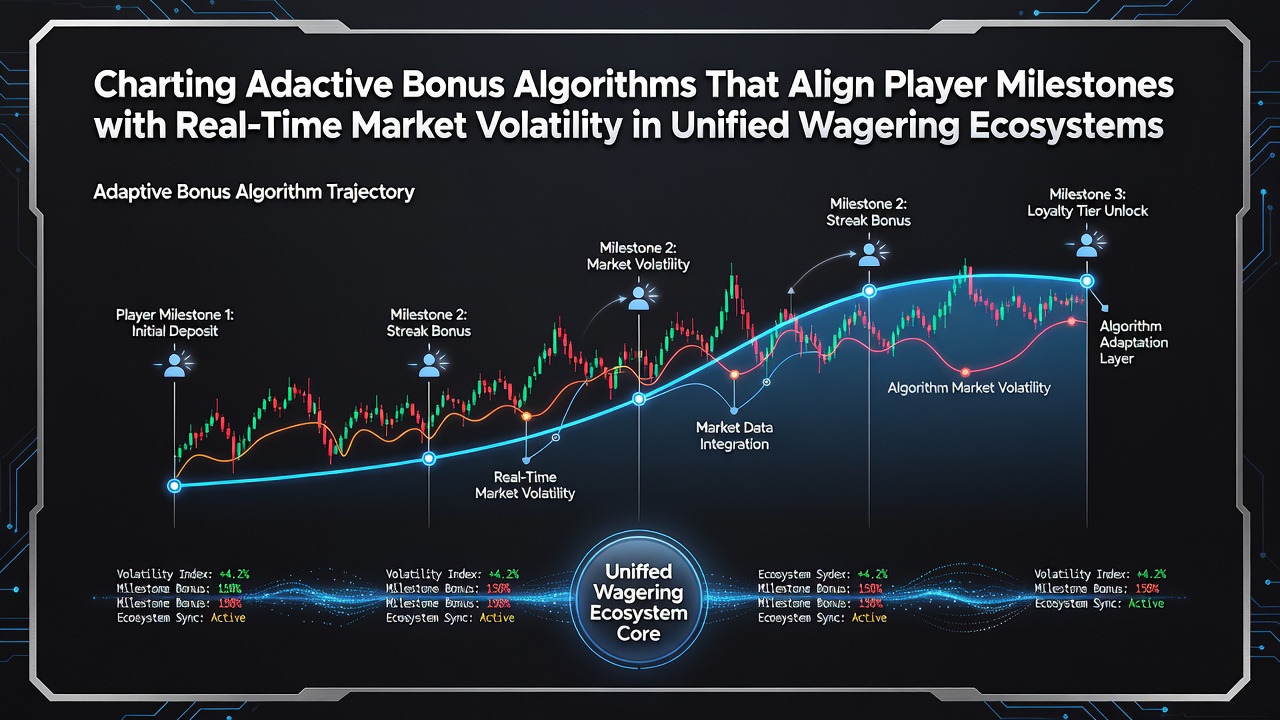
Adaptive Reward Algorithms Sync Milestones to Live Volatility in Integrated Betting Platforms
Platform operators in unified wagering ecosystems deploy algorithms that continuously adjust bonus structures based on real-time market volatility while tying those adjustments to individual player milestones, and data from August 2026 shows these systems processing millions of daily transactions across sportsbooks, casinos, and poker rooms. The core mechanism tracks volatility indices derived from betting handle fluctuations, odds movements, and liquidity metrics, then maps them to player progress points such as deposit streaks, wager volume thresholds, and retention periods. According to industry reports from the European Gaming and Betting Association, these alignments have increased average session lengths by measurable margins in platforms that implemented them during the first half of 2026.
Core Components of Volatility-Responsive Bonus Engines
Engineers build these systems around three primary data streams that feed into decision trees updated every few seconds. Market volatility feeds come from aggregated odds feeds and handle data across multiple operators, player milestone trackers pull from internal CRM databases, and external regulatory signals provide compliance boundaries. Researchers at the University of Nevada Gaming Research Center documented how one major platform reduced bonus over-allocation by 18 percent after linking volatility spikes directly to milestone unlocks rather than fixed schedules. The algorithm applies weighting factors so that high-volatility periods trigger smaller but more frequent rewards while stable markets allow larger milestone bonuses to activate without eroding operator margins.
Take the case of a mid-tier sportsbook that integrated these algorithms in early 2026. When live betting volume surged during a major soccer tournament, the system detected elevated volatility through rapid odds shifts and automatically scaled down reload bonuses while accelerating milestone credits for users who had already reached 70 percent of their monthly wager target. This adjustment kept promotional costs aligned with revenue swings, and similar patterns appeared across several North American operators according to figures released by the National Council on Problem Gambling.
Integration Across Sportsbooks, Casinos, and Poker Rooms
Unified ecosystems require the same algorithm framework to serve different verticals without creating separate rule sets for each product. In practice this means a single volatility index influences sports betting reloads, casino free-spin allocations, and poker rakeback tiers simultaneously, yet each vertical applies distinct milestone definitions. Sports platforms emphasize handle thresholds and parlay completion rates, casino modules focus on spin volume and game-type diversity, while poker systems track hands played and tournament entries. Observers note that cross-vertical milestone tracking has produced retention lifts of 12 to 15 percent in multi-product accounts during periods of moderate market volatility, based on aggregated data shared at the 2026 Global Gaming Expo.
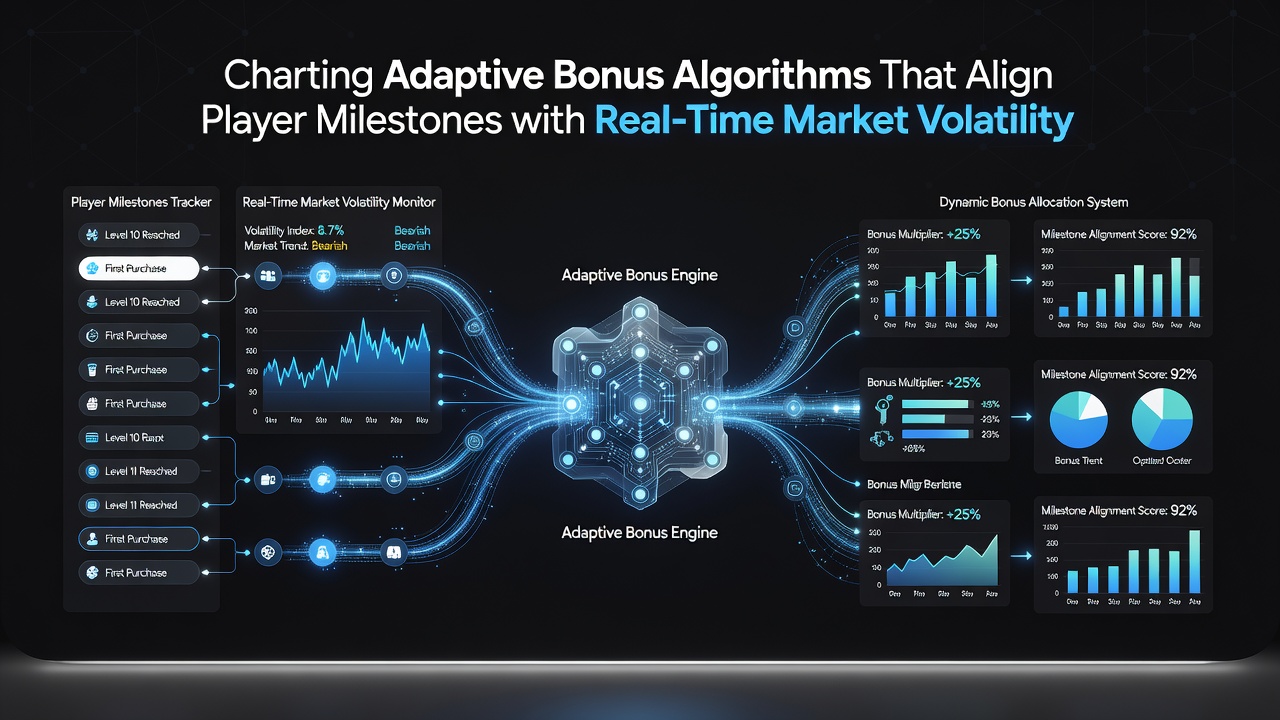
One documented implementation in a Canadian-facing platform connected live volatility readings to a tiered milestone ladder. When cryptocurrency price swings pushed overall wagering volume into high-volatility territory in August 2026, the algorithm delayed higher-tier bonus releases until users completed additional verification steps or increased deposit frequency. This approach maintained compliance with provincial gaming rules while preserving player engagement, and parallel tests in Australian markets showed comparable results when operators linked the same volatility feeds to responsible gambling prompts rather than purely promotional triggers.
Data Inputs and Decision Logic
Real-time market volatility calculations rely on a rolling 15-minute window that incorporates handle velocity, odds dispersion across competing books, and liquidity depth in major markets. These inputs combine with player-specific milestone vectors that include lifetime value scores, recent activity patterns, and product diversification metrics. The resulting output determines whether a bonus activates at full value, receives a volatility multiplier, or defers to a later date. Academic papers presented at the International Conference on Gambling and Risk Taking in 2025 outlined how machine-learning layers refine these decisions by learning from historical misalignment events, reducing manual overrides by operator staff.
Platforms report that incorporating external economic indicators, such as stock market volatility indices and currency fluctuation rates, further improves prediction accuracy during periods when broader financial conditions influence betting behavior. In August 2026 several operators expanded their data partnerships to include feeds from financial analytics providers, creating more robust early-warning signals for sudden market shifts that could affect bonus liability.
Regulatory and Compliance Considerations
Regulators in multiple jurisdictions require operators to demonstrate that adaptive algorithms maintain fairness and transparency. The Malta Gaming Authority has issued guidance requiring clear disclosure of volatility-based adjustments in player-facing terms, while Canadian provincial bodies have begun requesting audit logs that show how milestone triggers responded to documented market events. These requirements have prompted developers to embed explainability modules that generate plain-language summaries of why a particular bonus was scaled or deferred, and early adoption data indicates these modules reduce player support tickets related to bonus disputes.
Conclusion
Adaptive bonus algorithms that align player milestones with real-time market volatility now form a standard component of unified wagering platforms, with deployment expanding through 2026 as operators seek tighter control over promotional spend amid fluctuating handle volumes. The combination of continuous volatility monitoring and milestone-based triggers creates a responsive framework that adjusts rewards in line with both market conditions and individual player progress. Ongoing refinements in data integration and regulatory reporting continue to shape how these systems evolve across sports, casino, and poker environments.