Blockchain Pathways Guiding Incentives Across Mobile Sports and Casino Platforms
Jonas Hartmann · Aug 22, 2026
Blockchain Pathways Guiding Incentives Across Mobile Sports and Casino Platforms
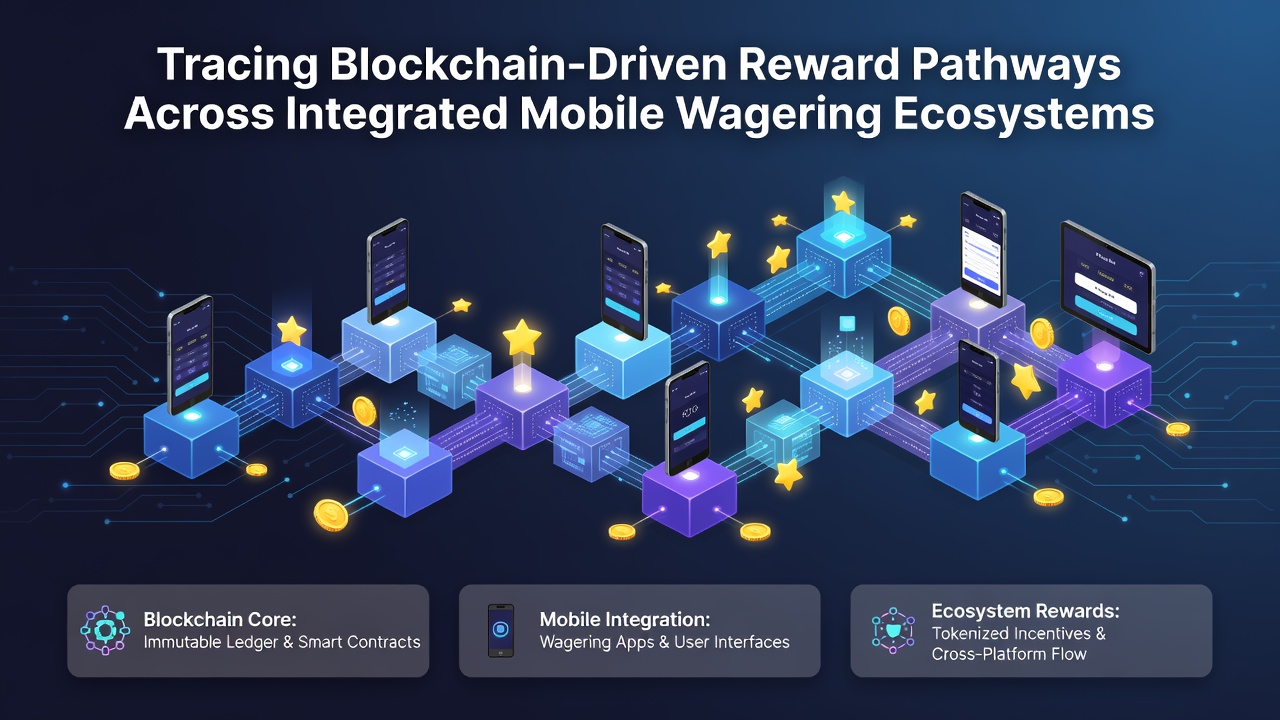
Blockchain technology continues to shape reward structures within integrated mobile wagering ecosystems, where digital ledgers record every transaction from initial deposit to final payout, and smart contracts automate bonus releases across sportsbooks, casinos, and poker applications on smartphones and tablets.
Operators embed these systems to create transparent trails that users can verify in real time, while regulators monitor compliance through immutable records that span multiple jurisdictions, and data from August 2026 shows increased adoption rates in markets where mobile traffic accounts for over seventy percent of total wagering volume.
Core Mechanisms Behind Blockchain Reward Tracking
Smart contracts execute predefined conditions for rewards, releasing free bets or deposit matches once players meet wagering thresholds, and these automated pathways eliminate manual verification steps that previously delayed distributions in traditional platforms. Mobile applications integrate wallet addresses directly into user profiles, allowing seamless transfers of cryptocurrency-based incentives that convert to fiat credits or remain in digital assets depending on player preference and jurisdictional rules.
Tokenized loyalty points circulate on permissioned chains operated by platform consortia, which means every point earned through gameplay carries a verifiable history from the moment of issuance, and observers note that this setup reduces disputes over bonus eligibility because all parties access the same ledger data. Research from industry reports indicates that such architectures support cross-platform redemptions, where rewards generated in a sportsbook section transfer to casino tables without additional processing fees.
Integration Patterns Across Mobile Ecosystems
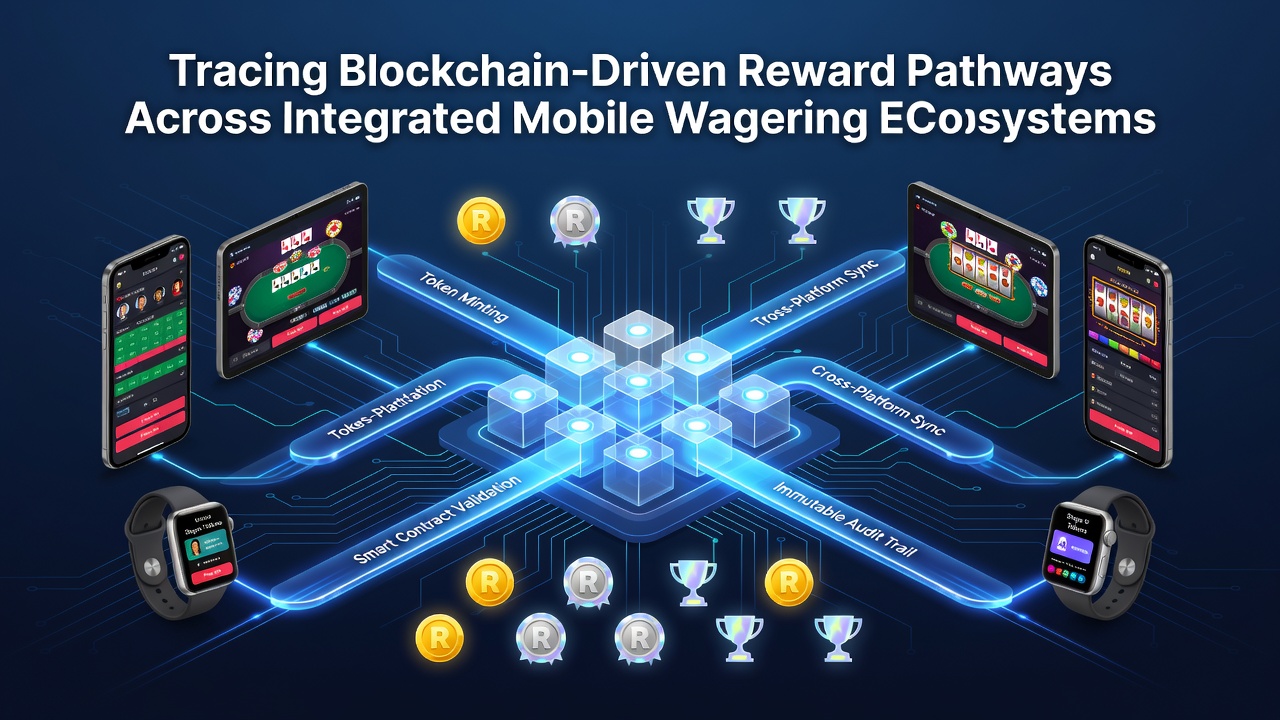
Developers layer blockchain modules onto existing mobile frameworks so that reward pathways align with user activity streams from live betting interfaces to slot sessions, while API connections pull real-time odds and game outcomes into the ledger for instant calculation of tiered bonuses. In practice, a player completing a multi-leg parlay on a mobile app triggers an on-chain event that updates loyalty status and unlocks the next reward level without requiring separate account checks.
Geographic expansion follows regulatory approvals, and August 2026 data from North American markets reveals new partnerships between operators and provincial gaming authorities that mandate blockchain audit trails for all incentive programs. European platforms meanwhile adopt similar models under frameworks established by bodies such as the Malta Gaming Authority, which requires operators to maintain transparent records of player reward flows to prevent money laundering risks associated with rapid digital transfers.
Data Flows and Verification Processes
Every reward distribution generates a timestamped block entry that includes player identifiers, transaction amounts, and triggering events, creating an auditable sequence that compliance teams review during routine inspections. Mobile wallets interact with these ledgers through encrypted keys, and the resulting pathways allow users to trace exactly how a welcome bonus converted into playable credits and then into withdrawn funds across multiple sessions.
Industry organizations like the European Gaming and Betting Association publish periodic analyses showing that blockchain integration correlates with higher retention rates in mobile segments, because players gain visibility into the exact mechanics governing their rewards. Academic studies from research institutions further document reduced operational overhead for operators who shift from centralized databases to distributed systems that handle verification automatically.
Regional Variations in Implementation
North American operators emphasize integration with state-level reporting requirements, routing blockchain data streams into systems used by commissions in places like New Jersey and Pennsylvania, whereas Asian markets focus on cross-border compatibility for players using multiple currencies. Australian regulators have explored similar frameworks through inquiries led by the Australian Communications and Media Authority, which examines how digital ledgers support consumer protection measures in mobile wagering environments.
These differences produce varied reward pathway designs, yet the underlying blockchain protocols remain consistent enough to permit interoperability testing between platforms in different regions during 2026 pilots.
Conclusion
Blockchain-driven reward pathways continue to expand within mobile wagering ecosystems through automated contracts, transparent ledgers, and verified data flows that connect user activity to incentive distribution across sports, casino, and poker applications. Regional regulatory adaptations and industry analyses from August 2026 demonstrate ongoing refinement of these systems, with verification processes and integration patterns supporting broader adoption while maintaining compliance across jurisdictions.