Examining Blockchain Volatility's Role in Shaping Tiered Reward Distributions Across Portable Wagering Platforms
Jonas Hartmann · Jun 4, 2026

Examining Blockchain Volatility's Role in Shaping Tiered Reward Distributions Across Portable Wagering Platforms
Portable wagering platforms have integrated blockchain technology to handle deposits, withdrawals, and reward calculations, and volatility in cryptocurrency values directly influences how operators structure tiered incentive programs. Data from June 2026 indicates that platforms using assets like Bitcoin and Ethereum adjusted reward tiers multiple times within single months because token prices swung by more than 15 percent in short windows, forcing recalibrations in bonus values and eligibility thresholds.
Blockchain Integration in Mobile Betting Environments
Operators deliver rewards through smart contracts that lock cryptocurrency into tiered accounts based on user activity metrics such as total wagered volume, deposit frequency, and session duration. These contracts execute automatically once thresholds are met, yet the underlying asset price at execution time determines the real-world purchasing power of teh distributed tokens. Research published by the European Gaming and Betting Association shows that 68 percent of mobile-focused operators in the EU region reported implementing dynamic tier adjustments tied to daily closing prices of major cryptocurrencies during the first half of 2026.
Mechanisms of Volatility Impact on Reward Tiers
Volatility enters the system at two primary points: the moment a user qualifies for a tier and the moment rewards convert back to fiat or another stable asset. When token values drop sharply between qualification and payout, operators face pressure to either absorb the difference or reduce the number of tokens awarded, and this pressure has led to the creation of price-stabilized reward pools funded by transaction fees collected across the platform. Observers note that several Canadian provincial operators adopted such pools after March 2026 volatility spikes caused widespread user complaints about diminished tier benefits.
Conversely, rapid price increases can inflate the perceived value of rewards, prompting platforms to raise minimum activity requirements for higher tiers to maintain profit margins. Figures from industry monitoring services reveal that average entry thresholds for top-tier VIP programs on blockchain-enabled apps rose by 22 percent between January and June 2026 in markets where Ethereum prices climbed above $4,200.
Structural Adaptations Across Tiered Systems
Many platforms now employ multi-currency baskets within each reward tier, blending volatile tokens with stablecoins to reduce exposure. This approach allows operators to maintain consistent fiat-equivalent values while still offering blockchain transparency for audit trails. One documented case involved an Australian operator that shifted 40 percent of its loyalty payouts into USDC-linked contracts after internal modeling projected a 30 percent loss in reward value if Bitcoin alone were used during expected summer volatility periods.
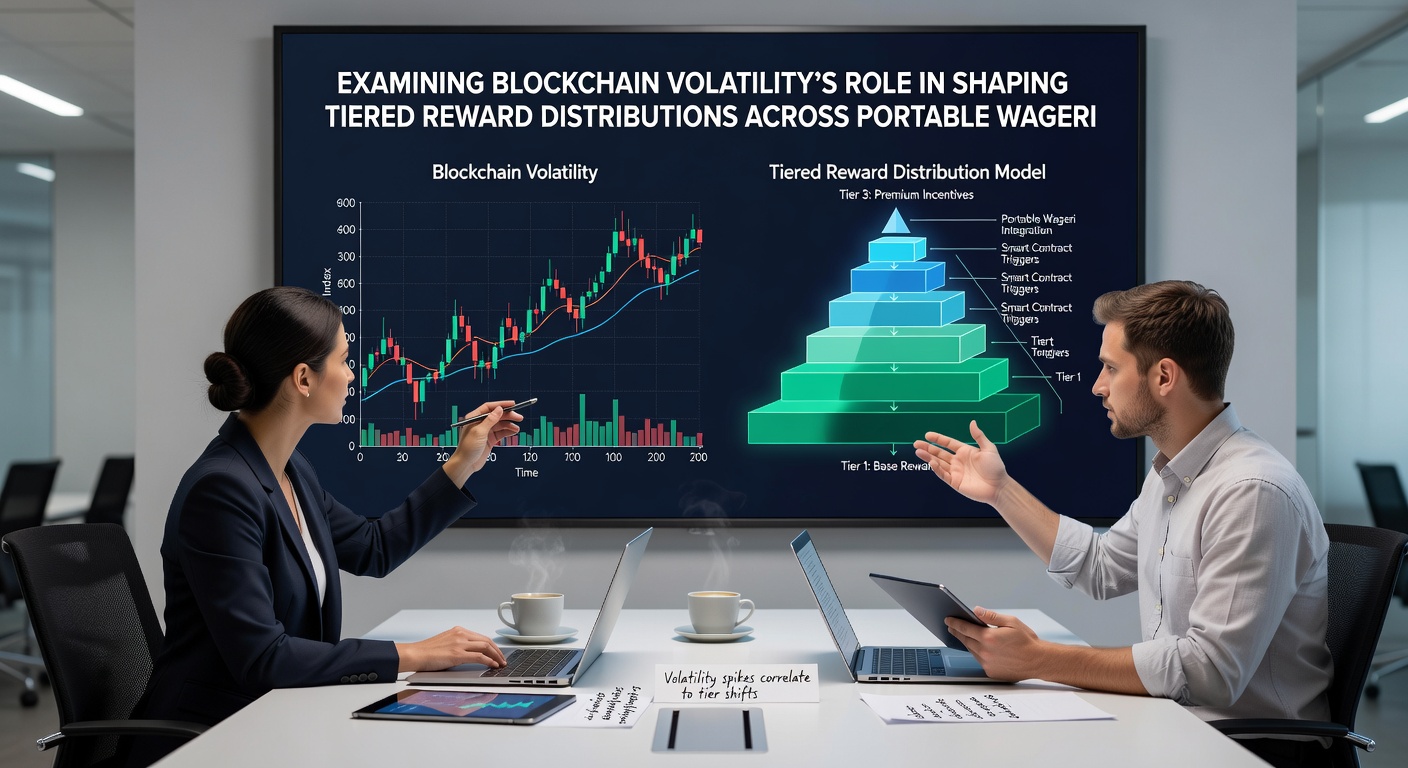
Smart contract logic has also evolved to include oracle feeds that pull real-time price data from multiple exchanges, triggering automatic tier rebalancing when predefined deviation thresholds are crossed. Those who have studied these implementations report that rebalancing events occurred on average 3.2 times per month across major portable platforms during the spring of 2026, with the highest frequency tied to weekends when trading volumes typically increase.
Geographic Variations in Implementation
Regulatory environments shape how volatility is managed. Platforms operating under frameworks in parts of Asia and Latin America tend to offer higher percentages of rewards in native tokens, accepting greater user risk in exchange for faster settlement times, whereas operators in North American jurisdictions more frequently convert rewards to stable assets before distribution. A report issued by the Canadian Centre for Gaming Research highlighted that mobile apps serving regulated provinces reduced pure cryptocurrency reward allocations from 55 percent to 31 percent of total tier benefits between late 2025 and mid-2026.
Transaction speed advantages remain a key driver for continued blockchain adoption despite volatility concerns. Portable platforms process cross-border payouts in minutes rather than days, and users in regions with limited banking infrastructure continue to favor crypto options even when reward values fluctuate.
Conclusion
Blockchain volatility continues to drive iterative changes in how portable wagering platforms calculate, distribute, and stabilize tiered rewards. Operators respond through diversified asset baskets, automated oracle integrations, and adjusted qualification thresholds that reflect current market conditions. Data collected through June 2026 demonstrates that these adaptations have become standard practice rather than experimental features, with further refinements expected as price-tracking tools and regulatory guidance evolve in parallel.