Former White House Chief of Staff Highlights Industry Concerns Over Unlicensed Prediction Markets
Zoe Butler · Jul 11, 2026
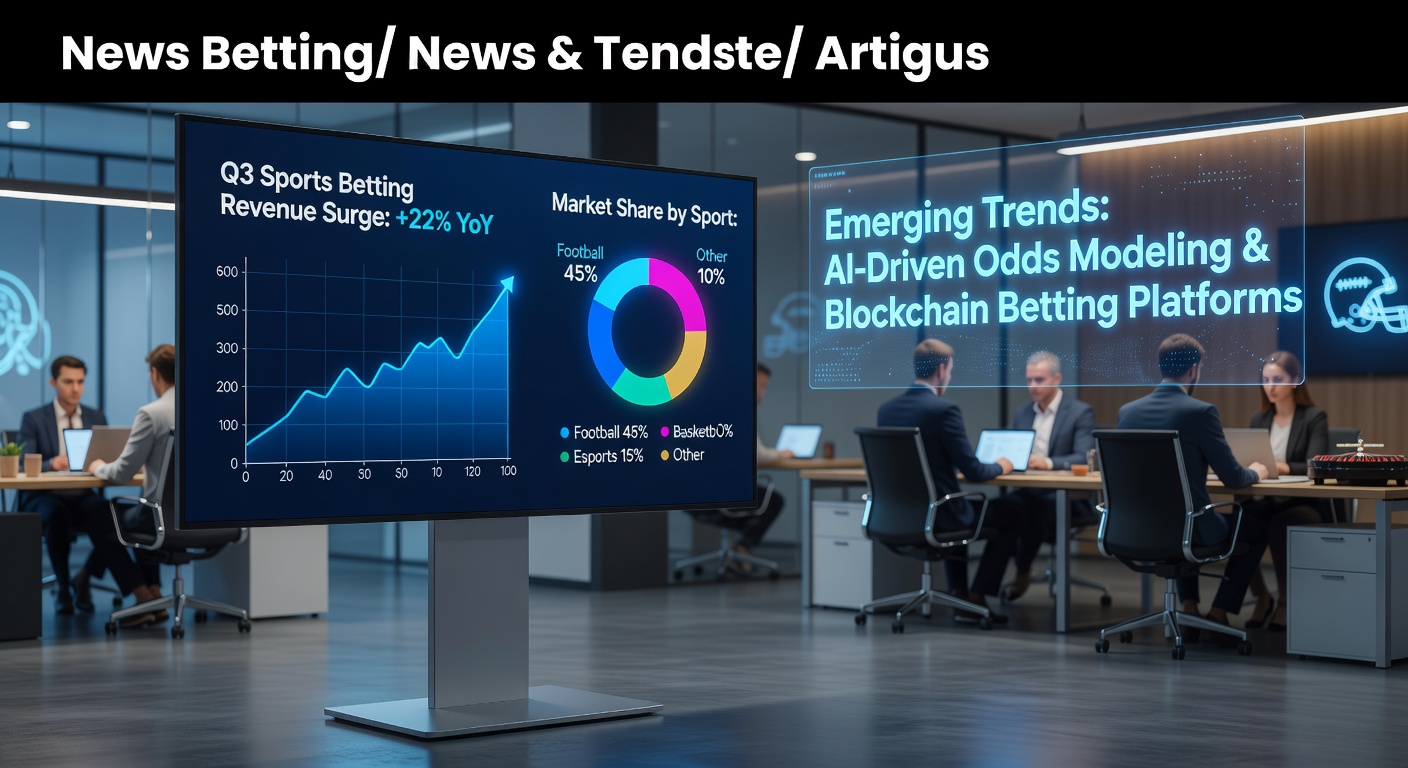
Former White House Chief of Staff Highlights Industry Concerns Over Unlicensed Prediction Markets
At a recent gaming conference in 2026 a former White House Chief of Staff addressed attendees on the topic of prediction markets and pointed to resistance from established gambling operators toward platforms that lack state gaming licenses. Observers note that this statement comes amid broader discussions about how these markets function as alternatives to traditional betting structures and the regulatory frameworks that govern them.
Context of the Conference Remarks
The comments emerged during a session focused on evolving betting models where the former official described how legacy industry players view unlicensed prediction market operations as operating outside established oversight mechanisms. Data from industry reports indicate that such platforms have expanded their reach in several states without securing the same approvals required for sportsbooks and casinos. Researchers tracking these developments have documented increasing pushback from licensed entities that argue for uniform licensing standards across all betting formats.
Those familiar with the sector point out that prediction markets often allow trading on event outcomes ranging from elections to sports results yet they frequently structure themselves as information exchanges rather than direct wagers. This distinction has created friction with regulators in multiple jurisdictions who must determine whether existing statutes apply or whether new rules are necessary. The former Chief of Staff's remarks underscored how this friction has intensified as more participants enter the space without traditional state approvals.
Legacy Industry Opposition and Licensing Issues
Established gambling companies have consistently raised concerns that prediction market platforms gain competitive advantages by avoiding licensing fees and compliance costs associated with state gaming boards. Figures from regulatory filings show that licensed operators in states like New Jersey and Pennsylvania contribute significant revenue shares through taxes and fees that unlicensed platforms may not match. Industry associations have compiled data suggesting that these disparities affect market dynamics and prompt calls for legislative clarification.
One study released earlier in 2026 examined how operators without licenses structure their contracts and found variations in consumer protections compared to fully regulated entities. Experts observing these patterns note that legacy companies have lobbied state legislators to apply gaming license requirements uniformly. The former White House official referenced these efforts during the conference and highlighted how opposition stems from both competitive and regulatory consistency perspectives.
Regulatory Scrutiny in 2026
By July 2026 several states had begun reviewing prediction market activities more closely with some introducing measures to address platforms operating without licenses. Government agencies in the Midwest and Northeast issued guidance documents outlining potential enforcement steps while industry groups submitted comments advocating for expanded oversight. Data compiled by research institutions tracking betting volumes indicate that prediction market participation grew steadily through the first half of the year even as licensing debates continued.
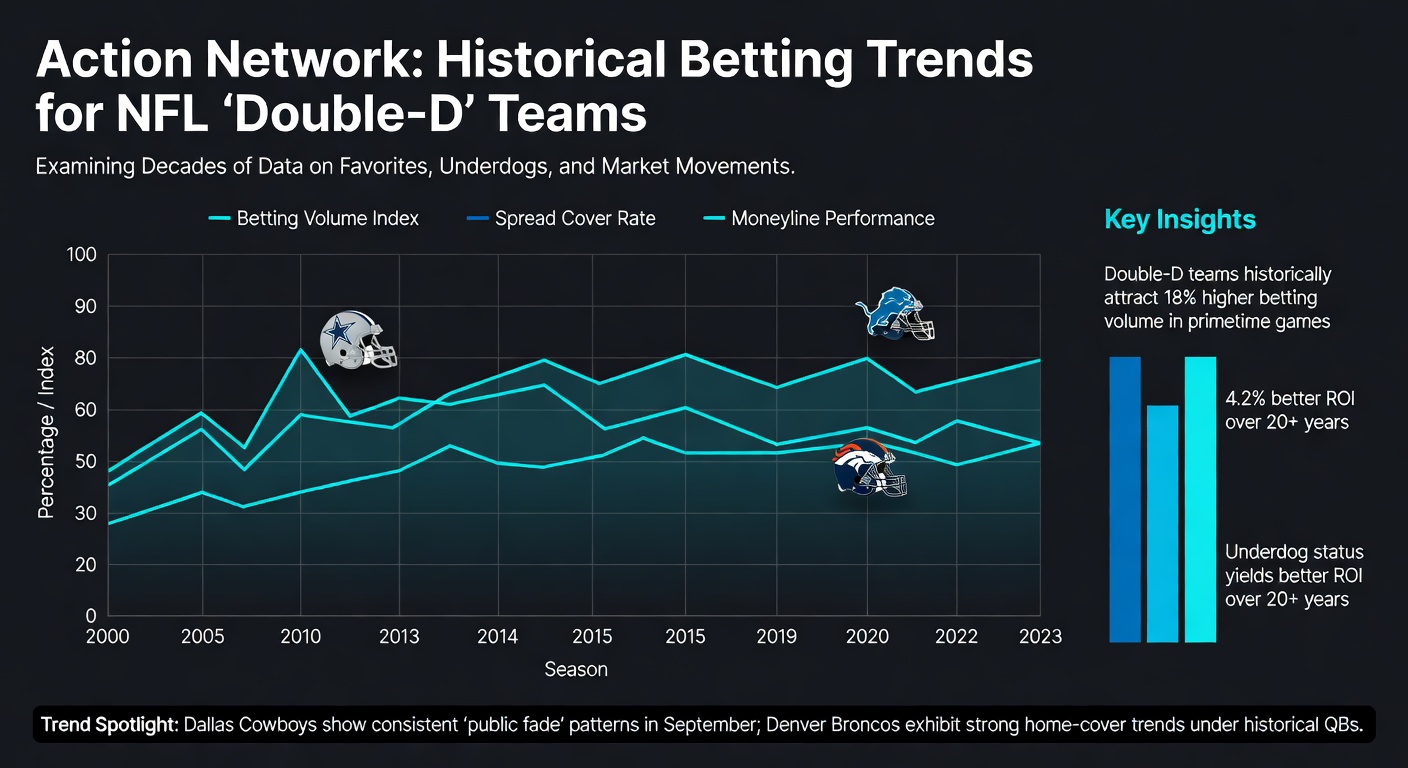
Those monitoring developments at federal and state levels report that scrutiny has extended beyond licensing to include questions about market integrity and consumer safeguards. Academic papers from university research centers have analyzed contract structures in prediction markets and compared them against licensed betting frameworks with findings showing differences in how disputes are resolved. The conference remarks aligned with these ongoing examinations and emphasized the role of legacy industry voices in shaping policy conversations.
Broader Industry Implications
Prediction markets have positioned themselves as tools for aggregating information through trading mechanisms yet they intersect with gambling regulations in ways that continue to generate debate. Reports from trade organizations detail how some platforms have sought partnerships or alternative compliance paths while others maintain their current structures. Observers tracking these shifts note that the former Chief of Staff's comments reflect a wider pattern of established players seeking to influence the regulatory environment.
State gaming commissions in various regions have released periodic updates on enforcement activities and several have referenced prediction markets specifically in their materials. These updates often include statistics on licensed versus unlicensed activity though comprehensive national figures remain limited. The 2026 conference provided a forum for discussing these gaps and how they might affect future policy decisions across different jurisdictions.
Conclusion
The remarks by the former White House Chief of Staff at the gaming conference encapsulate ongoing tensions between prediction market operators and legacy gambling interests regarding state licensing requirements. As 2026 progresses regulatory bodies and industry participants continue to examine how these markets fit within existing frameworks with data and filings providing the basis for further analysis. This single event highlights the dynamics at play without resolving the underlying questions about oversight and market structure.