How Behavioral Patterns Drive Customized Access Tiers Across Interactive Athletic Platforms and Virtual Card Rooms
Jonas Hartmann · Jul 16, 2026
How Behavioral Patterns Drive Customized Access Tiers Across Interactive Athletic Platforms and Virtual Card Rooms
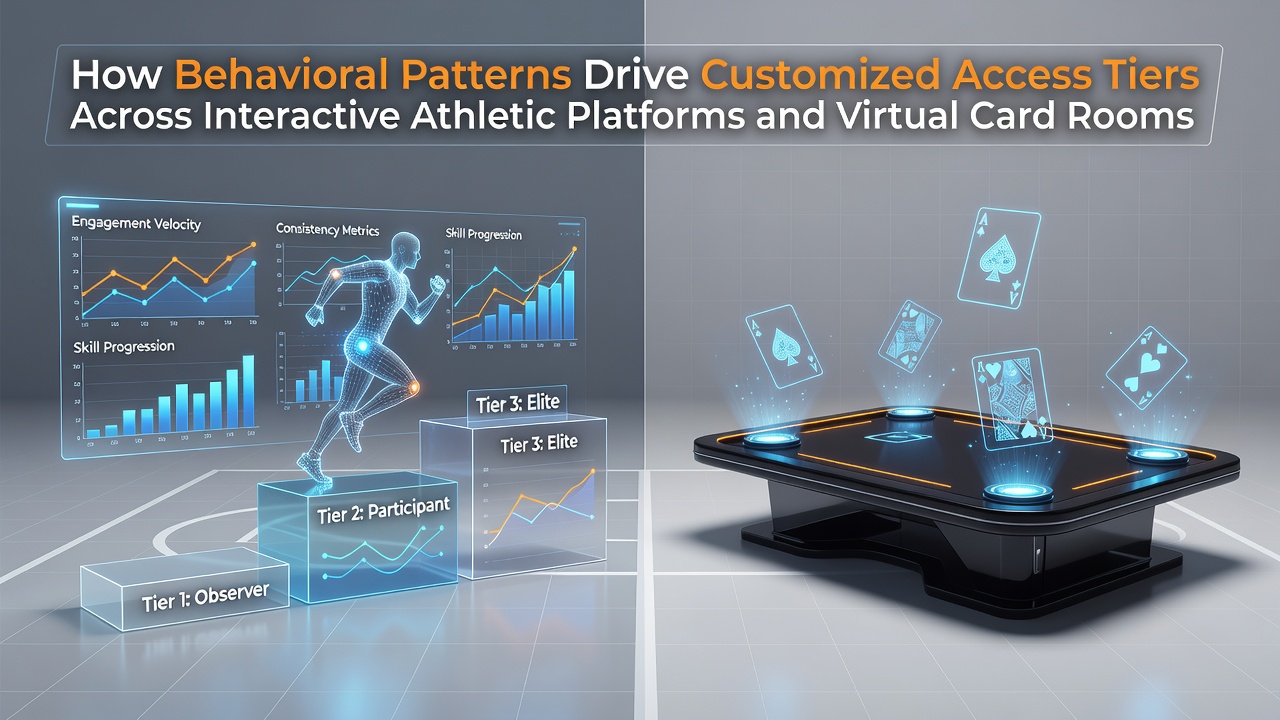
Behavioral patterns shape access tiers on interactive athletic platforms and virtual card rooms through continuous tracking of user activity, deposit frequency, session duration, and risk tolerance indicators. Platforms collect these signals to segment users into graduated reward structures that reflect actual engagement levels rather than one-size-fits-all promotions.
Data Inputs That Shape Tier Placement
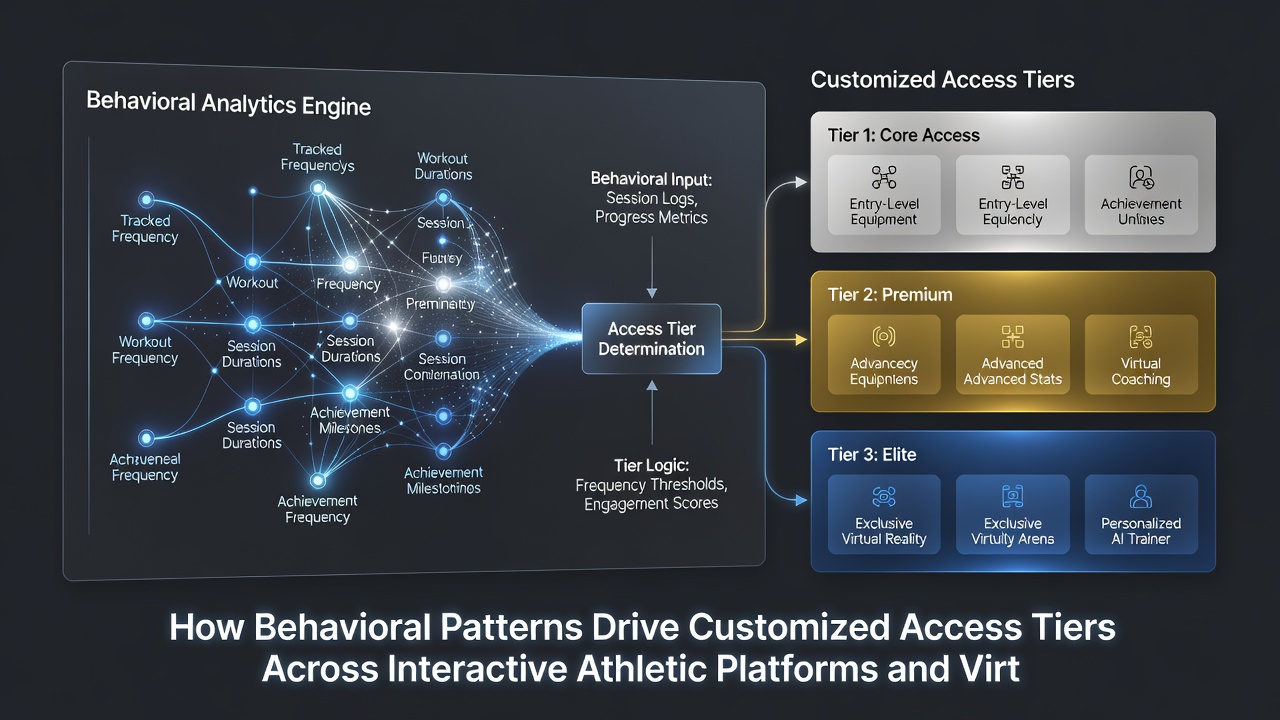
Algorithms examine betting volume on specific sports markets, time spent on live event interfaces, and response rates to in-app notifications, while virtual card rooms monitor hand volume, table selection preferences, and multi-tabling habits. These metrics feed into scoring systems that determine entry into bronze, silver, gold, or platinum tiers, each carrying distinct withdrawal speeds, cashback percentages, and exclusive event access. Observers note that platforms adjust scoring weights quarterly to reflect seasonal shifts such as increased football activity or tournament cycles in poker.
Behavioral Signals in Athletic Platforms
Users who place consistent pre-match wagers on major leagues often receive faster progression toward mid-tier status than those focused solely on in-play betting, because sustained pre-match activity signals predictable platform revenue. Data from the New Jersey Division of Gaming Enforcement shows that account holders maintaining weekly deposit streaks above defined thresholds receive priority customer service routing and personalized odds boosts. Platforms also track device switching patterns, rewarding users who maintain activity across mobile and desktop sessions with tier retention bonuses that prevent downgrades during quieter periods.
Behavioral Signals in Virtual Card Rooms
Card room systems place heavier emphasis on rake contribution and tournament participation frequency, because these generate direct platform income while revealing player skill distribution. Users who migrate between cash games and sit-and-go formats receive tier upgrades that unlock private tables and rakeback multipliers, whereas single-format players advance more slowly. Research from the University of Sydney's Gambling Research Unit indicates that multi-tabling frequency correlates strongly with higher tier retention, prompting operators to offer dedicated tournament series for these cohorts.
Customization Mechanics and July 2026 Adjustments
Dynamic tier engines recalculate eligibility daily using rolling 30-day windows, allowing rapid elevation for sudden activity spikes such as those observed during major international tournaments. In July 2026 several major platforms introduced behavioral nudges that reward cross-platform activity, granting athletic platform users temporary card room tier access when they complete minimum poker hands. These integrations rely on unified player profiles that merge sports betting frequency with table game engagement metrics, creating hybrid tiers unavailable through single vertical participation alone.
Operators also monitor churn risk indicators including declining session lengths and reduced deposit sizes, then deploy targeted tier preservation offers such as instant cashback or fee waivers. The approach differs from static loyalty programs because it responds to real-time behavioral decay rather than cumulative point totals alone.
Regional Regulatory Context
Canadian provincial regulators require operators to document how behavioral data influences tier benefits, ensuring transparency around automated decisions that affect withdrawal limits or bonus eligibility. Australian state authorities have similarly requested disclosure of scoring criteria used in virtual card room tier assignments. These requirements emerged after earlier market expansions revealed inconsistencies in how engagement metrics translated into access privileges across different jurisdictions.
Conclusion
Behavioral pattern analysis now forms the core mechanism for tier differentiation across athletic platforms and virtual card rooms, replacing blanket promotions with individualized pathways based on measurable activity. Platforms continue refining these systems through quarterly model updates that incorporate new data streams such as live streaming interaction and social feature usage, while regulatory bodies in multiple regions maintain oversight of transparency and fairness in the resulting access structures.