How Promotional Structures Adapt to Shifting Player Behaviors in Virtual Gaming Environments
Noah Schwarz · Jun 27, 2026
How Promotional Structures Adapt to Shifting Player Behaviors in Virtual Gaming Environments
Platform operators have adjusted reward mechanisms as user patterns move toward shorter sessions and cross-device access. Data collected through June 2026 shows increased mobile engagement rates that prompted many systems to replace traditional weekly bonuses with instant micro-rewards delivered within apps. These adjustments align incentives with behaviors where players log in briefly yet frequently rather than committing to extended desktop sessions.Behavioral Shifts Driving Structural Changes
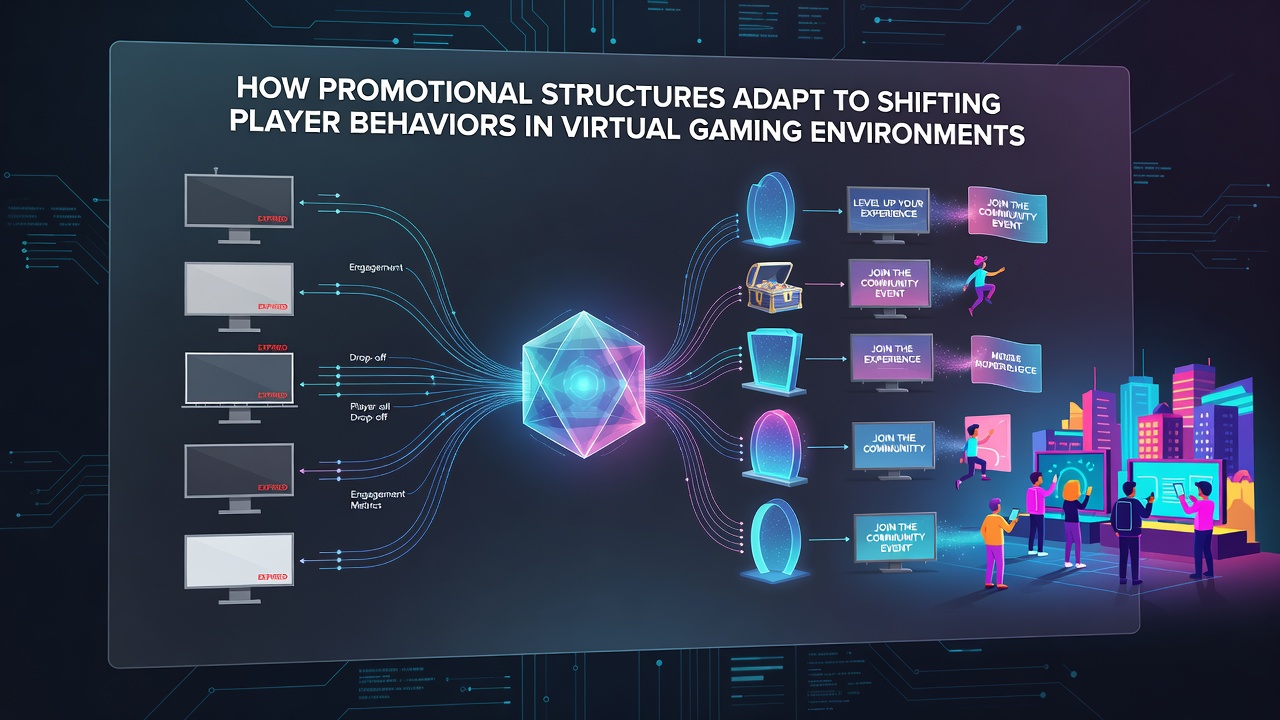
Player migration to portable devices created demand for promotions that activate without requiring lengthy registration flows. Research from the Canadian Gaming Association indicates mobile sessions now average under twelve minutes yet occur multiple times daily, leading operators to integrate location-based triggers and push notifications that unlock small credit amounts or free spins immediately upon launch. Such designs maintain momentum across fragmented play periods while reducing friction that once caused drop-offs during account verification steps.
Virtual environments also reflect growing interest in social and collaborative features. Platforms report higher retention when promotions incorporate group challenges or shared leaderboards instead of isolated individual targets. Observers note that these mechanics respond directly to data showing players increasingly value community visibility alongside personal progress tracking.
Data Analytics and Personalization Layers
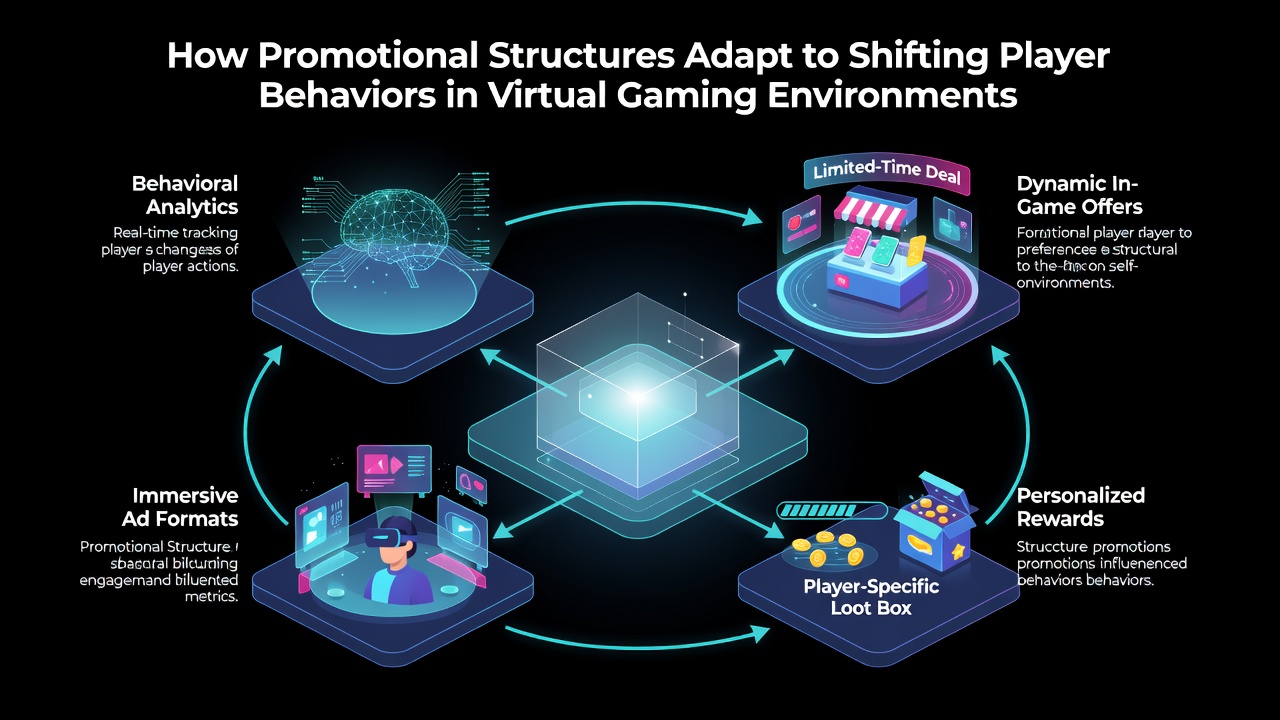
Advanced segmentation tools now process real-time behavioral signals to tailor offers without manual intervention. Algorithms identify patterns such as preference for high-volatility titles or evening-only access windows, then adjust reward frequency and type accordingly. One study released by the University of Nevada Reno gaming laboratory found that personalized reload structures increased session completion rates by measurable margins compared with static bonus schedules applied uniformly across user bases.
Transition to Experiential and Immersive Rewards
As virtual reality interfaces gain traction, promotional architectures incorporate elements that leverage spatial interaction rather than simple deposit matches. Operators deploy entry tickets to exclusive VR tournaments or avatar customization credits that tie directly to time spent in simulated environments. These adaptations emerged prominently after platform analytics in early 2026 revealed elevated engagement metrics among users accessing immersive modes versus traditional 2D interfaces.
Regulatory Influences on Promotion Design
Frameworks from bodies such as the Australian Communications and Media Authority require clear disclosure of reward conditions across all delivery channels. Compliance teams therefore embed transparent terms directly into notification flows, ensuring players receive eligibility details before accepting offers. Similar guidelines from the Malta Gaming Authority emphasize audit trails for algorithmic personalization, prompting operators to maintain logs that demonstrate nondiscriminatory application of adaptive rules.
Cross-border play further complicates structures because different jurisdictions impose varying limits on bonus values and wagering requirements. Companies address these constraints by maintaining modular systems that swap rule sets based on detected player location while preserving core engagement logic.
Retention Through Layered Incentive Architectures
Longer-term loyalty programs now combine immediate micro-rewards with milestone-based tiers that unlock progressive benefits. Evidence collected across multiple operators demonstrates that hybrid models sustain activity better than single-layer approaches when user attention spans shorten. Platforms integrate these layers so that daily login streaks feed into monthly achievement tracks, creating continuous feedback loops without overwhelming participants with complex navigation.
Seasonal events provide additional flexibility where operators test temporary mechanics against live behavioral data. Adjustments occur mid-campaign when metrics indicate particular reward types underperform relative to others, allowing rapid iteration while staying within regulatory boundaries.
Conclusion
Promotional frameworks continue evolving alongside measurable changes in how participants interact with virtual gaming spaces. Integration of real-time analytics, modular compliance features, and immersive reward types reflects responses to documented shifts in session length, device preference, and social orientation. Operators who maintain adaptable architectures position themselves to accommodate further behavioral developments as technology and user expectations progress through subsequent periods.