How Seasonal Event Cycles Shape Progressive Credit Structures in Esports-Focused Wagering Apps
Henrik Butler · Jun 20, 2026
How Seasonal Event Cycles Shape Progressive Credit Structures in Esports-Focused Wagering Apps
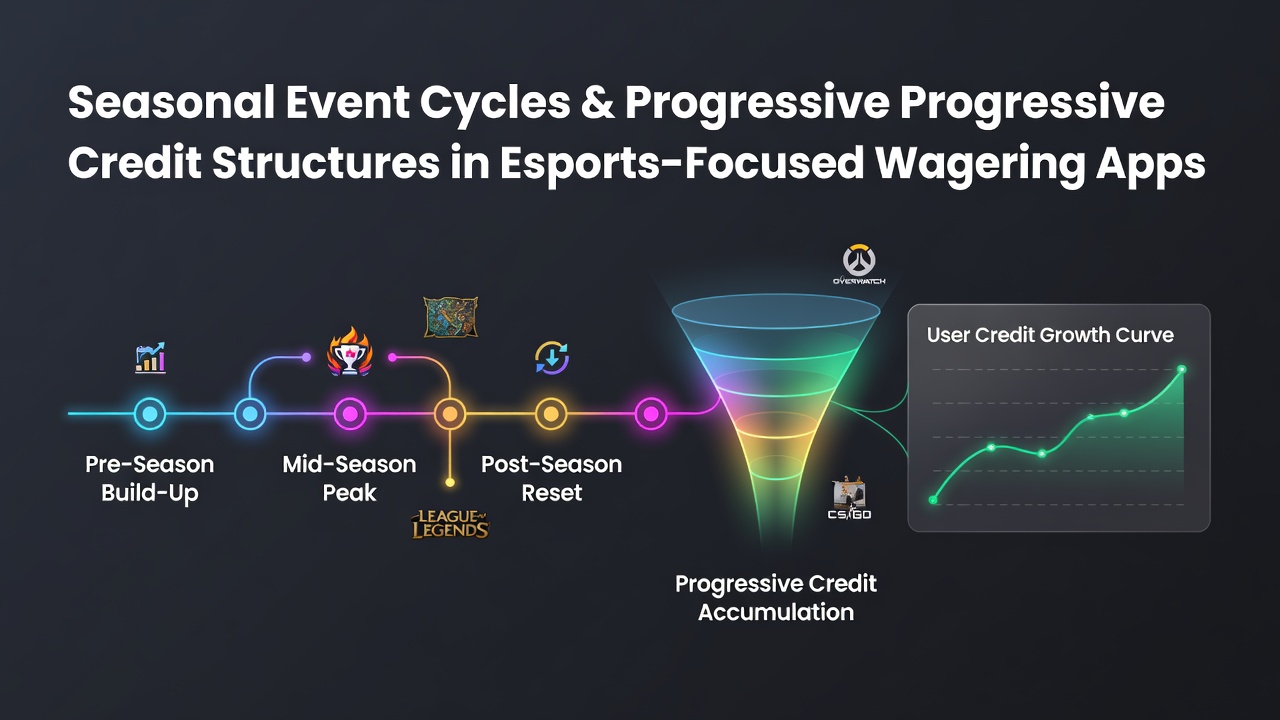
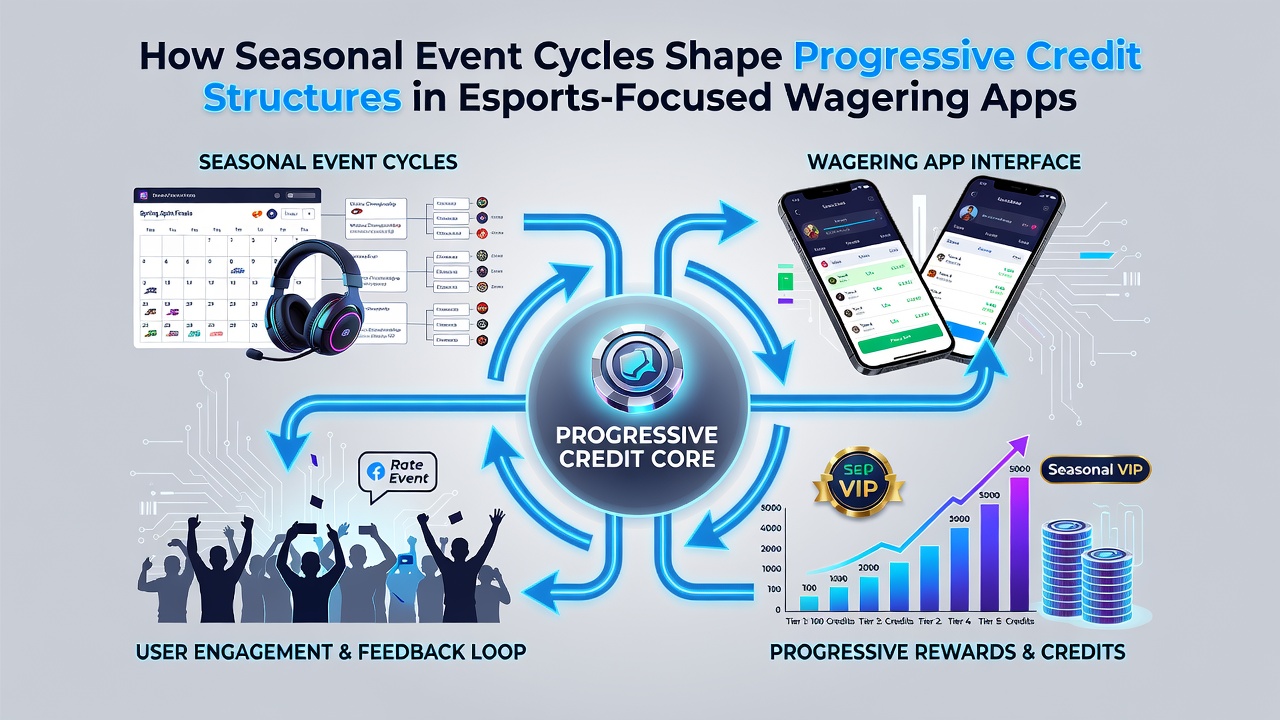
Esports calendars run on predictable cycles that peak around major tournaments such as The International for Dota 2 and the League of Legends World Championship, and wagering platforms adjust their credit systems in direct response to these rhythms. Data from industry tracking services indicate that handle volumes rise sharply during these windows, prompting operators to layer progressive credit structures that reward sustained activity across multiple stages of each event. These structures typically begin with base reload credits available during the group stages, then scale upward as teams advance to knockout rounds. Observers note that apps often tie point multipliers to specific match outcomes, creating a compounding effect where early deposits unlock higher tiers later in the tournament bracket. Research from the European Gaming and Betting Association shows this approach correlates with extended session times, as users accumulate loyalty points that convert into larger credit pools once playoffs conclude.Calendar Alignment and Tier Activation
The esports year features distinct phases that include off-season maintenance periods, regional qualifiers, and global finals, each influencing how apps distribute credits. During quieter months, platforms maintain steady but modest progressive ladders that emphasize daily login rewards and small reload bonuses. As qualifiers approach in spring, systems shift to accelerated accumulation rates where consecutive bets contribute more points toward VIP status upgrades. By early summer 2026, several major circuits enter their final stretches, and applications respond by activating mid-cycle boosts that carry users forward into fall events. Figures from multiple regional markets reveal that these timed adjustments help stabilize revenue streams between high-profile tournaments, because the progressive mechanics encourage users to maintain balances rather than withdraw after each event concludes.Progressive Mechanics in Practice
Credit progression works through interconnected systems where initial deposits feed into point trackers that unlock subsequent reward levels. One common model assigns escalating percentages back to accounts based on total volume during a given tournament window, while another grants tiered access to exclusive prediction markets that themselves yield additional credits upon correct outcomes. Those who track platform updates report that the most effective designs synchronize these tiers with bracket progression, so that users who engage early receive amplified returns once favorites reach later rounds. Platforms also incorporate seasonal resets that clear accumulated points at the end of each major cycle, which resets the progression ladder for the next event and maintains user engagement across the full calendar. This pattern appears consistently across mobile-focused applications that cater primarily to esports markets in Asia and North America.