Layered Incentive Architectures Fueling Retention Across Digital Wagering Platforms
Noah Schwarz · Jun 6, 2026
Layered Incentive Architectures Fueling Retention Across Digital Wagering Platforms
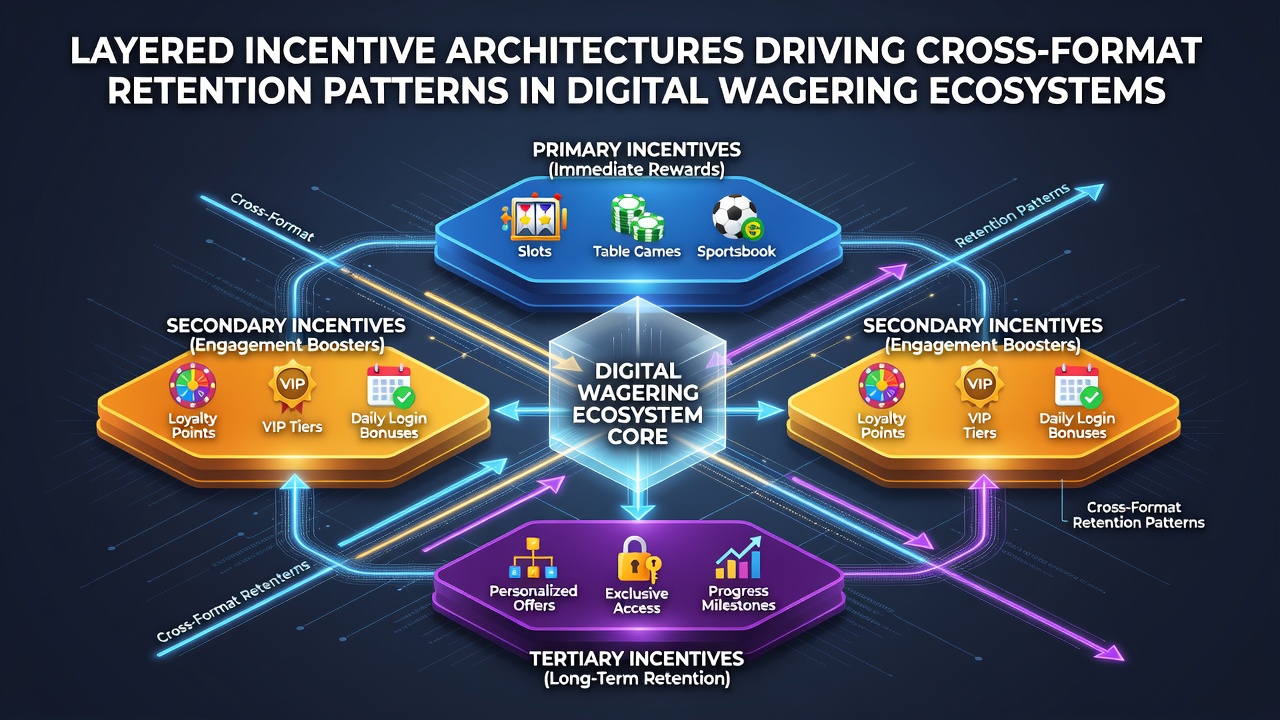
Layered incentive architectures combine welcome offers, reload bonuses, loyalty points, and VIP progression systems to encourage ongoing participation in digital wagering environments, and these structures have expanded significantly as platforms integrate multiple formats including sports betting, casino games, and poker. Operators deploy sequential reward layers that activate at different engagement thresholds, allowing users to accumulate benefits while shifting between verticals rather than remaining confined to a single product type.
Core Components of Tiered Reward Systems
Initial deposit matches establish entry points, yet subsequent layers such as weekly reload credits and cashback percentages on net losses create sustained momentum. Points-based loyalty programs convert wagering volume into redeemable rewards that often carry cross-format utility, permitting sports bettors to access casino free spins or poker tournament entries without additional deposits. VIP tiers accelerate this process through personalized multipliers and exclusive events, with progression tracked via cumulative activity metrics that reset or carry forward depending on platform policy.
Research indicates that platforms incorporating at least four distinct incentive layers report higher average session frequency compared to those relying primarily on one-time acquisition bonuses. Data from multiple jurisdictions shows that players who engage with reload mechanisms within the first thirty days after registration demonstrate retention rates that extend into subsequent quarters, particularly when rewards bridge different game formats.
Cross-Format Movement and Retention Metrics
Retention patterns emerge when incentive structures reward diversification, prompting users to sample poker cash games after accumulating sports betting credits or to explore slot tournaments following casino table play milestones. Observers note that unified wallet systems facilitate this movement by maintaining a single balance visible across all verticals, reducing friction during format switches. June 2026 figures from several North American markets reveal continued growth in multi-vertical accounts, with operators attributing part of the increase to integrated loyalty mechanics that track combined handle rather than isolated product performance.
Studies conducted by academic institutions have examined how progressive unlock sequences affect user pathways, finding that players often complete sports betting challenges to unlock casino-specific rewards before returning to poker leaderboards. This sequencing reduces format silos and sustains platform-level activity even when individual vertical volumes fluctuate seasonally. External data compiled by the American Gaming Association highlights similar trends in account longevity when layered programs incorporate cross-product point accrual.
Implementation Variations Across Regions
North American operators frequently emphasize sports-to-casino transitions through parlay insurance offers that convert into casino credits, whereas European and Australian platforms more commonly feature poker-to-sports pathways via satellite tournament tickets redeemable for betting vouchers. Canadian provincial systems administered through bodies such as the Ontario Lottery and Gaming Corporation integrate provincial loyalty currencies that function across regulated online offerings, creating retention loops that span multiple license holders. These regional adaptations reflect differing regulatory constraints on bonus mechanics yet converge on the principle that multi-layer designs correlate with extended user lifecycles.
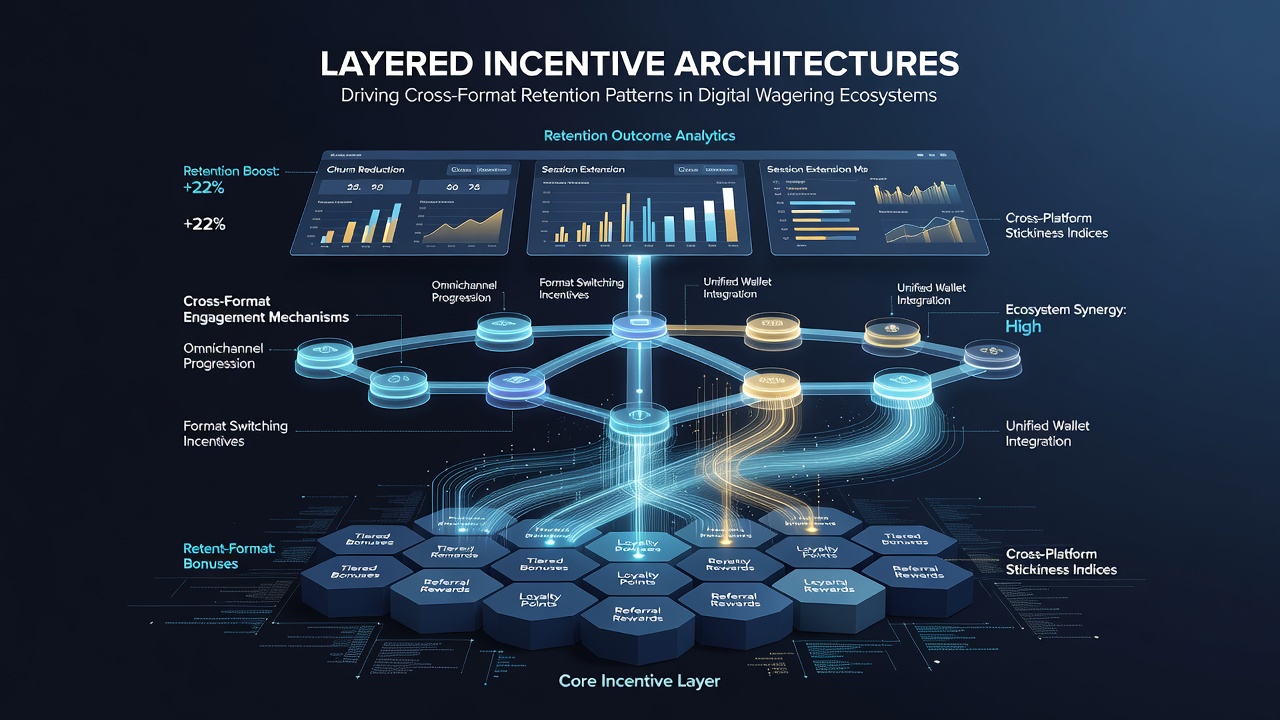
Platform analytics further demonstrate that incentive layers calibrated to individual risk profiles, such as higher cashback rates for high-volume players, produce more stable retention curves than uniform reward schedules. June 2026 operational reports indicate that operators adjusting tier thresholds quarterly based on cohort performance achieve steadier month-over-month active user counts across sports, casino, and poker segments simultaneously.
Technical Infrastructure Supporting Layer Integration
Backend systems must synchronize real-time tracking of wagering activity, bonus eligibility, and redemption status across disparate game engines. Application programming interfaces connect sports betting engines with casino random number generators and poker client software, ensuring that points earned in one format instantly update balances available in others. Compliance modules embedded within these architectures enforce jurisdictional spending limits and self-exclusion flags without interrupting cross-format reward flows.
Third-party providers specializing in player management platforms supply configurable rule engines that operators customize to local regulations and promotional calendars. These tools enable rapid deployment of limited-time layers, such as tournament-specific multipliers during major sporting events, while maintaining persistent VIP status across all formats year-round.
Conclusion
Layered incentive architectures continue to shape retention dynamics in digital wagering ecosystems by aligning reward progression with natural player movement between sports betting, casino, and poker environments. Jurisdictional data through June 2026 shows measurable associations between multi-tier program adoption and extended account activity, supported by unified tracking infrastructure and regionally adapted implementations. Ongoing refinements to these systems focus on personalization and compliance integration while preserving the core mechanism of sequential benefit activation across formats.