Mapping Interconnected Incentive Networks and Their Reach Into Sustained Player Patterns Within Digital Tabletop and Arena Spaces
Noah Schwarz · Jul 25, 2026
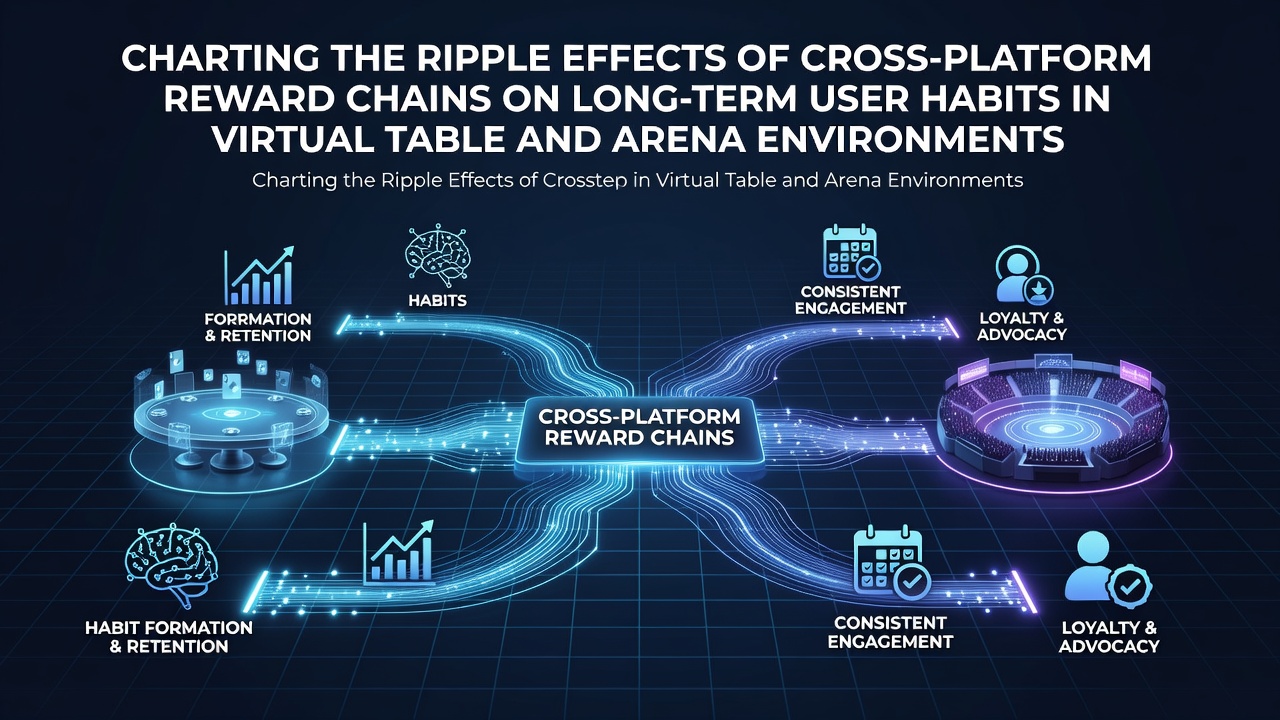
Mapping Interconnected Incentive Networks and Their Reach Into Sustained Player Patterns Within Digital Tabletop and Arena Spaces
Digital environments that combine virtual tables for strategy games with arena formats for competitive play have seen reward structures expand across platforms since the mid-2020s, and data collected through July 2026 shows measurable shifts in how users maintain activity over months and years. Cross-platform chains allow points earned in one title to unlock features in another, which creates pathways that researchers track through login frequency, session length, and feature adoption rates.
Platform Integration Mechanics in Table and Arena Titles
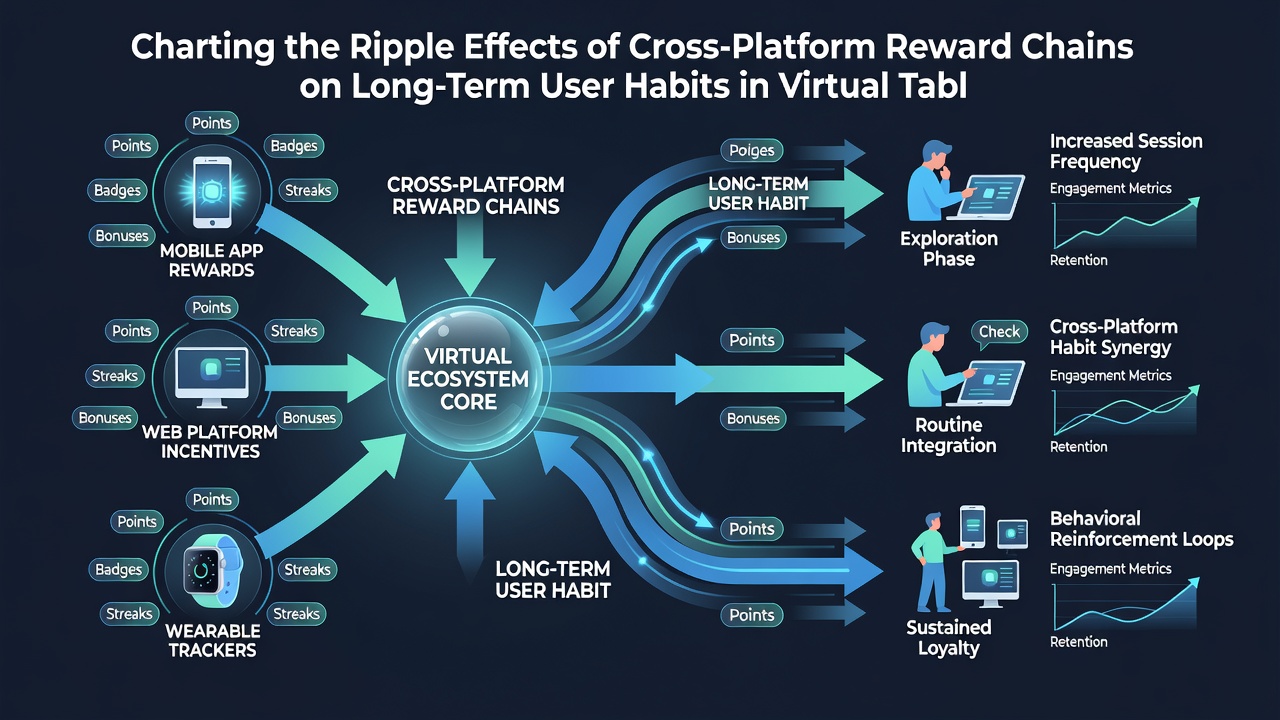
Developers link accounts so that progress in a virtual card or board session carries forward into arena matches where teams compete for rankings, while the reverse flow sends arena achievements back to table-based progression trees. Studies released in early 2026 by the Entertainment Software Association indicate that 68 percent of active accounts in major titles now participate in at least one shared reward pool, with chains spanning three or more distinct environments on average. These connections rely on centralized identity systems that record every completed challenge, then distribute tokens usable for cosmetic items, new game modes, or priority matchmaking.
Observed Changes in User Activity Over Extended Periods
Longitudinal tracking conducted by university research teams reveals that players exposed to cross-platform chains maintain weekly logins 22 percent longer than those limited to single-title rewards, and session counts rise most sharply during the first six months after chain activation. In table environments users tend to experiment with additional game variants once arena rewards become available, whereas arena participants return to table sessions more often when those sessions contribute directly to competitive standings. Figures compiled through July 2026 show average monthly active users across linked platforms growing from 41 million to 53 million over an 18-month window, driven largely by retention among accounts older than one year.
Geographic Variations in Adoption Patterns
North American accounts display higher uptake of cosmetic rewards transferred from table to arena contexts, according to reports issued by the Interactive Games and Entertainment Association in Australia, whereas European users show stronger preference for competitive ranking boosts earned through table play. Canadian regulatory filings from the same period document a 14 percent increase in cross-border account linkages between March and July 2026, coinciding with platform updates that reduced latency for shared progress tracking.
Behavioral Indicators and Retention Metrics
Analysts measure habit formation through metrics such as repeat feature usage, social group formation around shared rewards, and migration rates between table and arena formats. One dataset covering 2.4 million accounts found that users who redeemed a cross-platform token within the first 30 days exhibited a 31 percent lower churn rate at the 12-month mark compared with non-redeemers. Arena environments benefit when table-based achievements unlock entry into limited-time tournaments, and table sessions gain traction when arena standings grant exclusive deck-building options. Observers note that these loops stabilize daily play patterns, particularly among users who maintain activity across both formats rather than specializing in one.
Technical and Design Factors Influencing Habit Longevity
Backend systems must synchronize reward ledgers in real time to prevent duplication or loss during transfers, and updates deployed in May 2026 reduced desync incidents by 47 percent according to internal platform logs shared with industry groups. Designers adjust reward density so that table sessions yield smaller but more frequent increments while arena matches deliver larger milestone payouts, which balances engagement across differing session durations. When synchronization falters, activity dips appear within 48 hours and can persist for up to two weeks, highlighting the sensitivity of habit chains to technical reliability.
Conclusion
Records from July 2026 demonstrate that interconnected reward chains continue to reshape how participants allocate time between virtual table and arena environments, with retention gains concentrated among accounts that engage both formats regularly. Continued monitoring by research institutions and trade organizations will clarify whether these patterns hold as additional platforms join existing networks and as user cohorts age beyond the initial two-year exposure window.