Mapping Player Progression Through Layered Incentive Programs in Online Poker and Sports Platforms
Zoe Butler · May 30, 2026
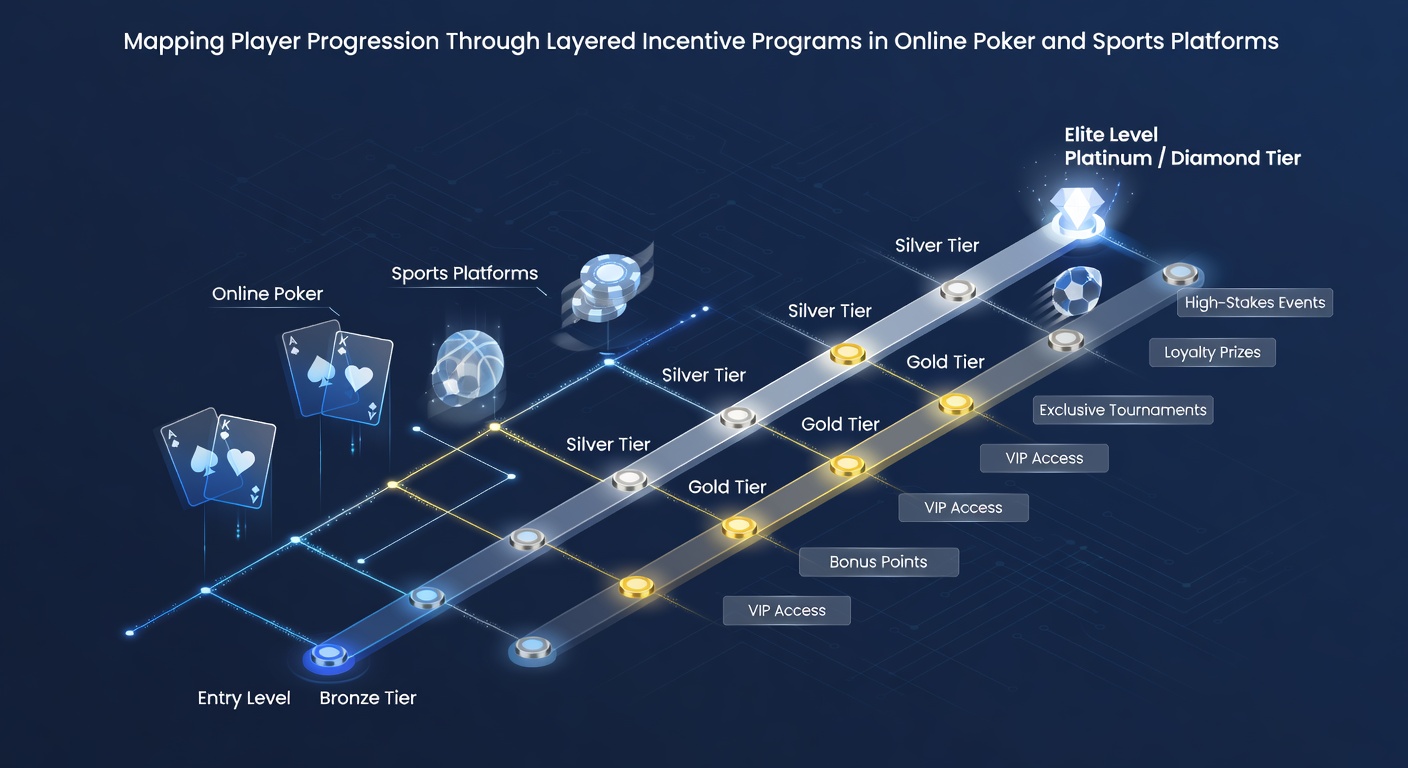
Mapping Player Progression Through Layered Incentive Programs in Online Poker and Sports Platforms
Online poker rooms and sports betting platforms organize player advancement through structured incentive layers that begin with entry-level rewards and expand into tiered loyalty systems, and these frameworks track activity metrics such as deposit frequency, wager volume, adn session length to determine movement between levels. Platforms assign initial bonuses upon registration and first funding while subsequent stages unlock through cumulative play that converts casual participants into regular users who receive escalating benefits like cashback percentages, exclusive tournament access, and personalized odds boosts.
Entry-Level Incentives and Initial Onboarding
Platforms establish base layers with welcome packages that combine deposit matches, free spins or tournament tickets, and risk-free bets, after which automated tracking systems monitor completion rates and transition eligible accounts into reload sequences that appear at set intervals. Data from regulated markets indicate that these starting mechanisms convert a measurable share of new registrations into active depositors within the first seven days, while operators refine trigger conditions based on regional compliance requirements that vary across North American and European jurisdictions.
Mid-Tier Progression and Loyalty Mechanics
Once players surpass entry thresholds they enter accumulation phases where points systems convert rake generated in poker cash games or total turnover in sports markets into redeemable credits, and platforms segment these mid-level users into sub-tiers that deliver incremental improvements such as higher cashback rates or priority customer support. Observers note that operators often schedule targeted promotions during peak sports seasons to accelerate movement through these stages, and the same logic applies to poker events where satellite qualifiers feed into larger prize pools reserved for loyalty members.
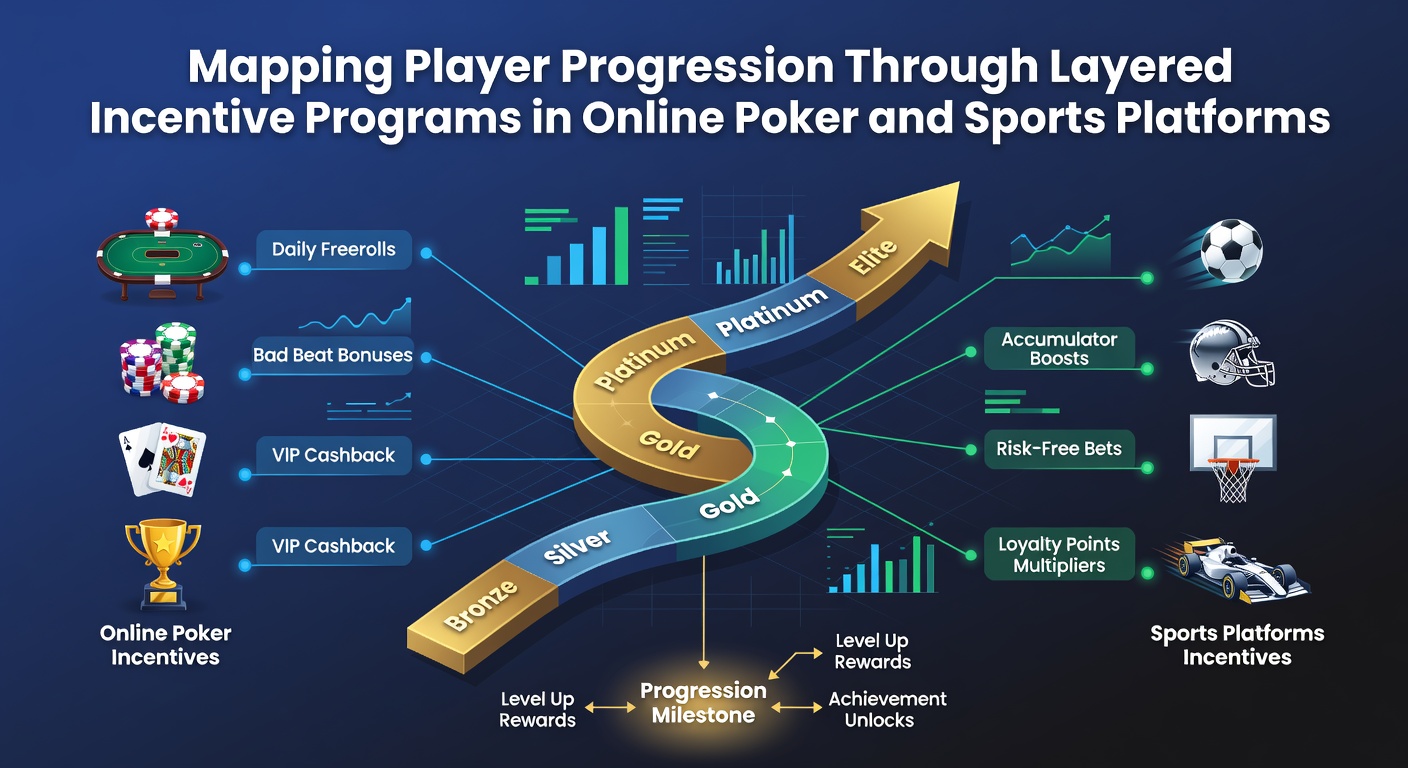
Research from academic gaming studies shows that structured point systems correlate with longer retention windows when redemption options remain transparent and achievable, yet operators adjust point expiration rules and minimum activity requirements to maintain engagement without encouraging excessive play volumes. In May 2026 several multi-state operators introduced unified loyalty ledgers that allow points earned on sportsbooks to transfer into poker environments, creating cross-product pathways that previously operated in isolation.
Advanced VIP Structures and Personalized Rewards
High-volume participants reach invitation-only tiers where account managers negotiate bespoke terms including reduced rake, enhanced odds, and event invitations, and these arrangements typically require documented play history that meets internal revenue thresholds. Platforms employ algorithmic segmentation to identify candidates for advancement while compliance teams verify that all offers align with responsible gambling protocols enforced by state regulators. Australian and Canadian oversight bodies publish aggregated reports that track how such personalized programs affect average session durations across licensed sites without releasing individual operator data.
Cross-Platform Tracking and Data Integration
Modern systems integrate player data across poker and sports verticals so that progression in one product influences reward availability in the other, and this unified view enables operators to deliver timely incentives such as a sports free bet following a large poker cash-out. Industry reports from European trade associations document rising adoption of single-wallet architectures that simplify point collection and reduce friction during tier upgrades. Those who analyze platform APIs observe that real-time dashboards now surface projected next-tier benefits, allowing players to anticipate upcoming unlocks based on current activity trends.
Regulatory Influences on Incentive Design
Licensing conditions in multiple jurisdictions require clear disclosure of wagering requirements and tier qualification criteria, which has prompted operators to standardize terminology across marketing materials and in-app notifications. Government agencies in Ontario and several U.S. states publish annual summaries that quantify the proportion of total handle attributable to loyalty program members, providing external benchmarks that operators reference when refining their progression models. These disclosures also cover responsible gambling features such as mandatory cooling-off periods that apply uniformly regardless of tier status.
Conclusion
Layered incentive programs function as measurable progression maps that convert initial engagement into sustained activity across poker and sports platforms, and operators continue to refine these systems through data integration and regulatory compliance. The structures remain dynamic, responding to market conditions observed in May 2026 and to cross-border differences in player behavior reporting. External sources such as Ontario iGaming compliance reports and academic reviews hosted by the Australian Gambling Research Centre supply ongoing reference points for how these frameworks evolve without prescribing specific design choices.