Navigating Interconnected Perks: Tracing Cumulative Advantages Across Signup Incentives and Ongoing Engagement Tools in Digital Wagering Ecosystems
Noah Schwarz · Jul 30, 2026
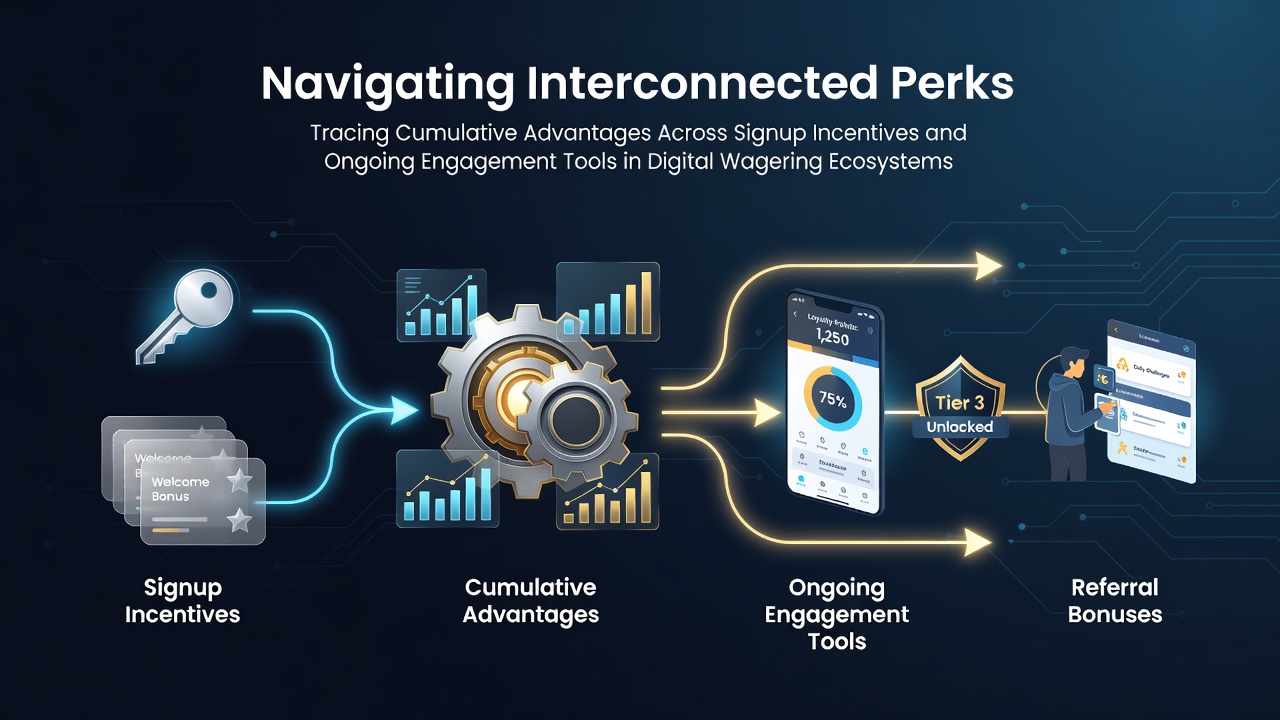
Navigating Interconnected Perks: Tracing Cumulative Advantages Across Signup Incentives and Ongoing Engagement Tools in Digital Wagering Ecosystems
Digital wagering platforms have developed systems where initial signup incentives link directly with sustained engagement mechanisms, and this structure allows participants to build advantages over extended periods. Observers note that welcome offers often serve as entry points that feed into loyalty programs, reload bonuses, and tiered rewards, creating pathways where early deposits influence later access to enhanced terms across sportsbooks, casinos, and poker rooms.
Signup Incentives as Foundation Layers
Platforms structure welcome packages around deposit matches, free bets, or no-deposit credits, and these elements frequently include wagering requirements that, when met, unlock progression into ongoing tools. Data from the American Gaming Association indicates that in early 2026 many operators reported higher retention when signup offers incorporated clear pathways to VIP status rather than isolated rewards. Those who complete initial playthroughs often receive automatic enrollment into point-earning systems, where accumulated activity translates into cashback rates or exclusive event access.
Researchers tracking user behavior across multiple jurisdictions found that participants who activate both a matched deposit and a free bet component at registration tend to maintain accounts longer than those using single-element offers. This pattern holds in markets such as New Jersey and Pennsylvania, where regulatory filings show average account lifespans extending when operators tie first-bet credits to subsequent loyalty milestones.
Ongoing Tools and Their Integration Points
Reload bonuses, cashback programs, and VIP tiers operate as interconnected modules rather than standalone features. A player who begins with a signup deposit match may later qualify for weekly reloads that carry lower rollover thresholds because prior activity has already elevated their tier level. Figures from the Ontario Lottery and Gaming Corporation reveal that in the first half of 2026, platforms offering tiered reload percentages based on cumulative handle saw steady increases in weekly active users compared with flat-rate alternatives.
Engagement mechanics such as daily login streaks and achievement badges further connect to these layers. Completion of streak challenges frequently awards loyalty points that accelerate movement through VIP brackets, and those brackets in turn unlock personalized reload offers unavailable at lower tiers. Industry reports from the Australian Communications and Media Authority highlight similar structures in licensed online wagering services, where cumulative point totals determine eligibility for tournament entries and enhanced withdrawal limits.
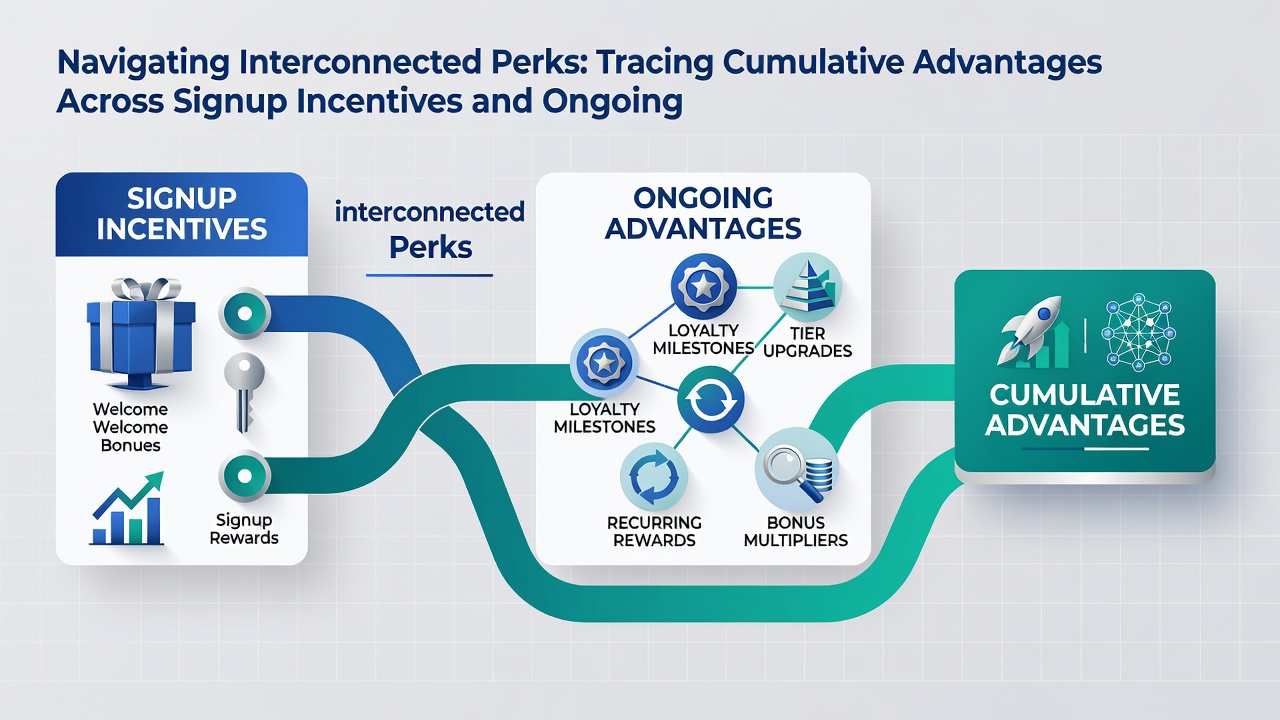
Cumulative Advantage Pathways in Practice
One documented progression involves a participant depositing during a welcome promotion, completing the associated requirements, and then entering a loyalty system where monthly reloads scale with total lifetime deposits. By July 2026 several major operators had adjusted algorithms so that early signup volume directly influenced the size of subsequent personalized offers, creating measurable differences in return rates between long-term and new accounts. Those who maintain consistent activity across sports and casino verticals often reach higher tiers faster, because cross-product play contributes to unified point pools.
Studies examining data from multiple states show that players who combine initial free bet credits with ongoing cashback programs experience compounded returns when platform rules permit point carryover between bonus types. Regulatory summaries released by the Nevada Gaming Control Board note that transparent tracking of these interconnected systems has become standard in compliance reporting, with operators required to disclose how loyalty status affects bonus eligibility over time.
Regional Variations and Market Data
European operators licensed under the Malta Gaming Authority have implemented similar layered structures, though with stricter caps on cumulative bonuses to align with consumer protection directives. In contrast, Canadian provincial frameworks allow greater flexibility for tier acceleration tied to signup volume. Market analyses covering the period through July 2026 indicate that platforms emphasizing seamless transitions between incentive types report higher average revenue per user, particularly when mobile applications surface personalized offers based on prior engagement history.
Academic reviews of player progression models confirm that interconnected perks reduce churn when the system clearly communicates advancement criteria. Participants who understand how one reward feeds the next demonstrate longer session durations and broader product usage across poker, sports, and casino offerings.
Conclusion
Digital wagering ecosystems continue to refine connections between initial signup incentives and sustained engagement instruments, and available data through July 2026 shows these linkages shape account longevity and activity patterns. Regulatory bodies across multiple regions track these structures to ensure transparency, while operators adjust parameters to balance player retention with compliance requirements. The cumulative pathways that emerge from these designs remain a central feature of platform architecture in the current market environment.