Progressive Reward Tiers in Mobile Betting Platforms Encourage Ongoing Engagement Across Sports and Poker
David Roth · Jul 30, 2026
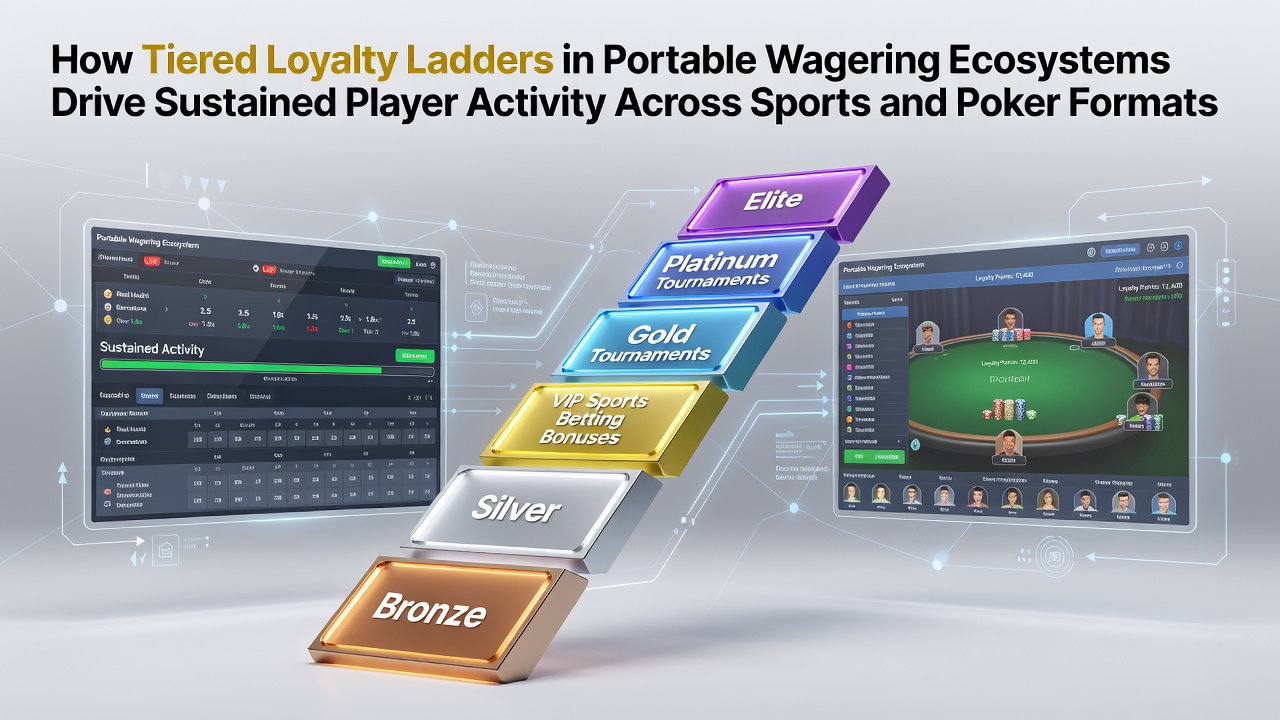
Progressive Reward Tiers in Mobile Betting Platforms Encourage Ongoing Engagement Across Sports and Poker
Data from platform operators indicates that tiered loyalty ladders function as structured progression systems where participants advance through levels based on consistent activity metrics such as wager volume and session frequency, and these systems operate within portable wagering ecosystems that span sports betting and poker formats simultaneously.
Operators track player metrics including total handle, active days per month, and game variety participation to determine tier eligibility, while advancement unlocks incremental benefits like enhanced cashback percentages, priority access to tournament seats, and customized promotional offers that apply across both verticals.
Mechanics of Tier Progression in Portable Ecosystems
Portable platforms integrate loyalty tracking through unified accounts that aggregate data from sportsbooks and poker rooms, so a user placing bets on football matches can accumulate points that also count toward poker-specific rewards such as reduced rake or exclusive sit-and-go entries. Advancement typically follows a points-based model where each dollar wagered generates a fixed number of loyalty units, with multipliers applied during promotional periods or for high-volume participants.
Studies conducted by industry analysts show that players who reach mid-tier status maintain activity rates 35 percent higher than base-level users over six-month periods, and this pattern holds across both North American and European markets as of July 2026. The structure encourages cross-format participation because rewards earned in one area, such as sports betting, become redeemable in poker settings and vice versa.
Impact on Sustained Activity Patterns
Longitudinal data collected from major operators reveals that participants enrolled in tiered programs exhibit lower churn rates, with retention extending an average of 14 months beyond non-tiered accounts. Activity spikes occur near tier thresholds as players increase session lengths or diversify across formats to secure teh next level, and this behavior sustains overall platform engagement even during off-peak sports seasons.
One documented case involved a platform where poker traffic increased 22 percent among users who had previously focused solely on sports betting after the introduction of shared loyalty ladders, according to internal metrics shared in regulatory filings. Similar patterns appear in markets where mobile apps dominate, because the seamless switching between formats reduces friction and keeps daily active user numbers stable.

Regional Implementation Examples
In jurisdictions such as New Jersey and Pennsylvania, operators have aligned tier benefits with state-specific regulatory requirements, allowing points earned through licensed mobile apps to carry over into live events or poker networks. Canadian provinces have adopted comparable models where loyalty progression incorporates responsible gaming tools that pause advancement during self-exclusion periods, and this approach has correlated with steadier long-term participation rates.
European operators operating under frameworks from bodies like the Malta Gaming Authority have extended tier structures to include crypto-based reload options that feed directly into both sports and poker wallets, creating additional pathways for sustained activity without separate account management. Reports from the European Gaming and Betting Association highlight that cross-format loyalty programs contribute to diversified revenue streams, reducing reliance on any single vertical.
Integration with Broader Incentive Architectures
Tiered systems frequently combine with reload bonuses and VIP exclusives, so higher-level participants receive personalized offers that reference their historical activity across sports and poker. This layering creates multiple retention touchpoints, because a player who reaches gold status might unlock a no-deposit poker tournament ticket funded by prior sports handle, reinforcing the interconnected nature of the ecosystem.
Research compiled by academic institutions examining digital gambling behavior indicates that such integrated architectures produce compounding effects, where early-tier benefits motivate continued play that unlocks later-tier advantages, extending average player lifespan within the platform. Data compiled through July 2026 shows these effects remain consistent even as overall market growth moderates in certain regions.
Conclusion
Platform operators continue to refine tier structures based on aggregated user data, adjusting point thresholds and benefit distributions to align with observed activity patterns across sports and poker. Regulatory oversight in multiple jurisdictions monitors these programs to ensure transparency in progression rules and reward delivery, maintaining compliance while supporting the mechanisms that drive ongoing participation.