Reward Architectures Supporting Continued Activity in Online Betting and Casino Applications
Henrik Butler · Aug 13, 2026
Reward Architectures Supporting Continued Activity in Online Betting and Casino Applications
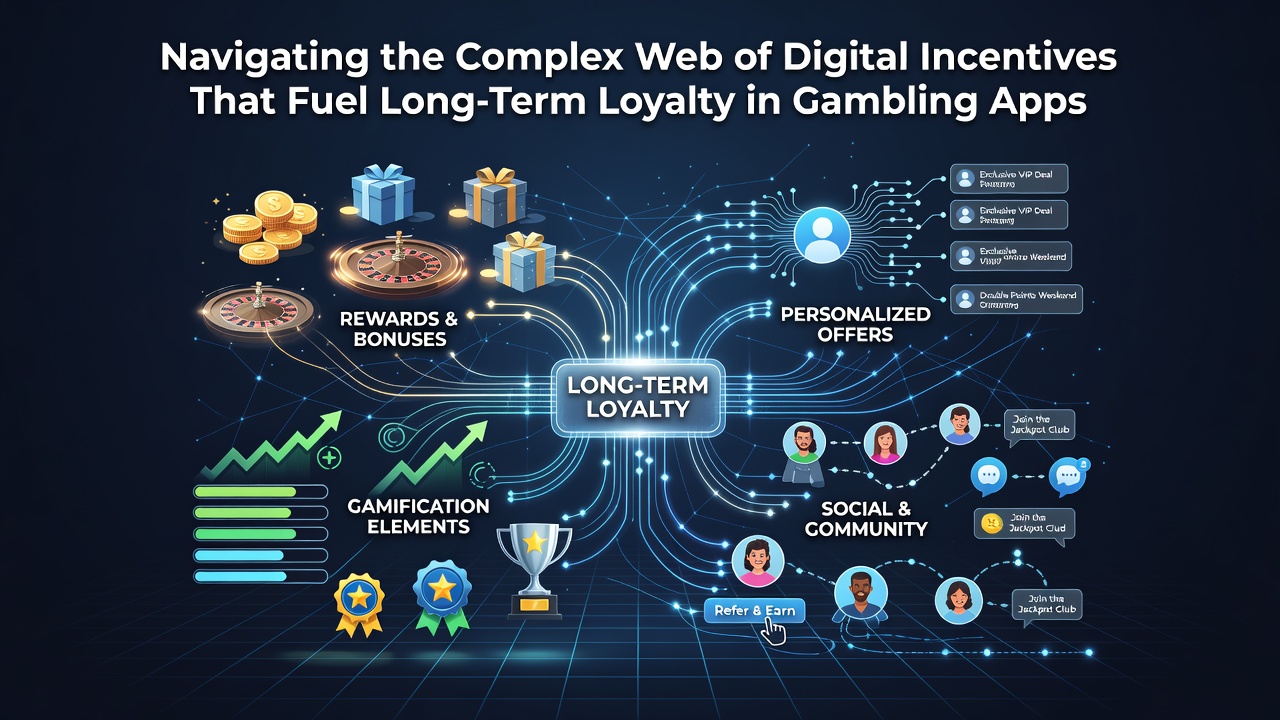
Digital platforms in the gambling sector deploy intricate systems of rewards that extend beyond initial sign-up offers, and these mechanisms operate through progressive tiers, personalized cashback formulas, and milestone-based point accumulation that adjust according to individual play patterns. Operators track user behavior via integrated analytics engines, then calibrate incentive delivery to maintain activity levels over months rather than weeks, which data from multiple jurisdictions confirms through retention metrics reported to regulatory bodies.
Core Components of Tiered Loyalty Programs
Many applications structure participation around multi-level frameworks where players advance from basic entry points to premium categories by meeting volume thresholds measured in wagered amounts or session frequency. Advancement unlocks incremental benefits such as reduced withdrawal fees, exclusive event access, and accelerated point redemption rates, while the underlying algorithms recalibrate requirements based on aggregate platform data collected through August 2026. Researchers at institutions including the University of Nevada, Las Vegas have documented how these layered systems correlate with extended account lifespan when compared against flat-rate promotional models.
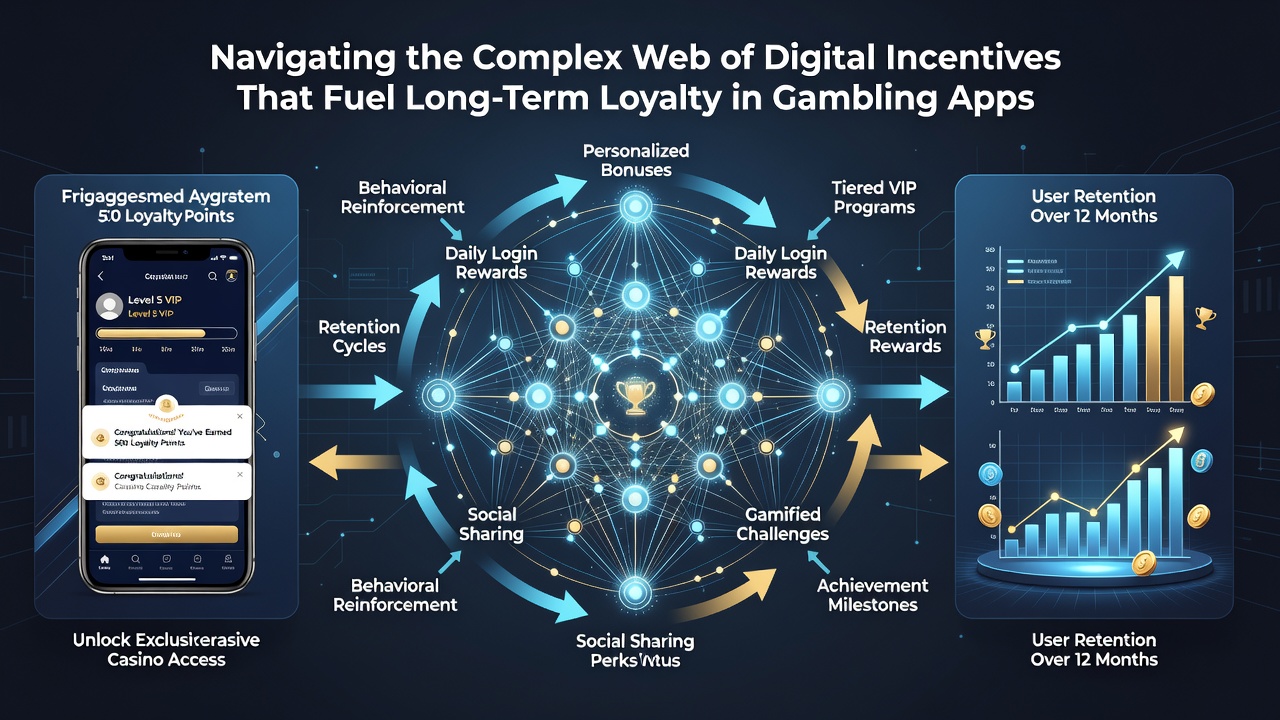
Point systems convert gameplay into redeemable units that feed into both immediate perks and long-horizon goals, and this dual-track approach allows users to select between short-term liquidity options or accumulated status advantages that compound over time. Operators integrate these elements with real-time dashboards that display progress toward the next tier, which encourages consistent logins even during periods of lower activity.
Personalization Through Behavioral Data Integration
Platforms collect granular information on preferred game types, betting sizes, and peak activity windows, then apply machine learning models to generate tailored reload sequences and targeted challenges that align with observed preferences. This customization extends to geographic variations, where operators licensed in different regions adapt reward structures to comply with local statutes while still pursuing retention objectives. The American Gaming Association has published summaries indicating that personalized incentive delivery contributes measurably to monthly active user stability across participating states.
Dynamic cashback percentages often scale with recent performance indicators rather than fixed schedules, and users receive notifications detailing how their specific activity qualifies them for upcoming adjustments. Such responsiveness reduces the perception of generic promotions and instead positions the incentive as directly responsive to individual patterns.
Cross-Platform and Multi-Product Linkages
Applications frequently interconnect sports betting, casino, and poker modules so that activity in one vertical accelerates progress across others, creating unified loyalty ledgers that reward diversified engagement. This integration appears in several major operators where shared point pools feed into common reward catalogs, and regulatory filings submitted to bodies such as the Malta Gaming Authority show corresponding increases in cross-product session counts following implementation. Players who migrate between verticals receive synchronized milestone notifications that maintain momentum regardless of which product they currently favor.
Seasonal campaigns and tournament overlays further layer onto these base structures, providing temporary boosts that feed into permanent tier status. Observers note that the timing of these events often aligns with major sporting calendars or product launches to maximize visibility of the incentive pathways available.
Regulatory Oversight and Compliance Frameworks
Authorities in multiple jurisdictions require operators to disclose incentive terms clearly within application interfaces, and this transparency mandate influences how rewards are presented to prevent misleading accumulation mechanics. The European Gaming and Betting Association maintains guidelines that member companies follow when structuring long-term loyalty offerings, ensuring that point expiration policies and redemption values remain consistent with stated parameters. Compliance teams conduct periodic audits that verify algorithmic fairness in tier advancement and cashback distribution, which maintains platform eligibility for continued licensing.
Reporting obligations also extend to aggregate retention statistics derived from incentive programs, allowing oversight bodies to monitor whether these systems produce sustained participation without encouraging excessive play volumes. Data aggregated through August 2026 reflects ongoing refinements in these reporting standards across North American and European markets.
Conclusion
Digital incentive ecosystems in gambling applications continue to evolve through data-driven personalization, cross-product linkages, and regulatory alignment that together support extended user engagement. These architectures rely on measurable progression systems and responsive reward calibration rather than static offers, and available industry reports document their role in shaping account longevity across diverse regulatory environments. Continued examination of retention metrics will likely inform further adjustments as platforms respond to shifting user behaviors and compliance requirements.