Seasonal Tournament Cycles and Their Ripple Effects on Layered Reward Pathways in Digital Wagering Ecosystems
Henrik Butler · Jun 25, 2026
Seasonal Tournament Cycles and Their Ripple Effects on Layered Reward Pathways in Digital Wagering Ecosystems
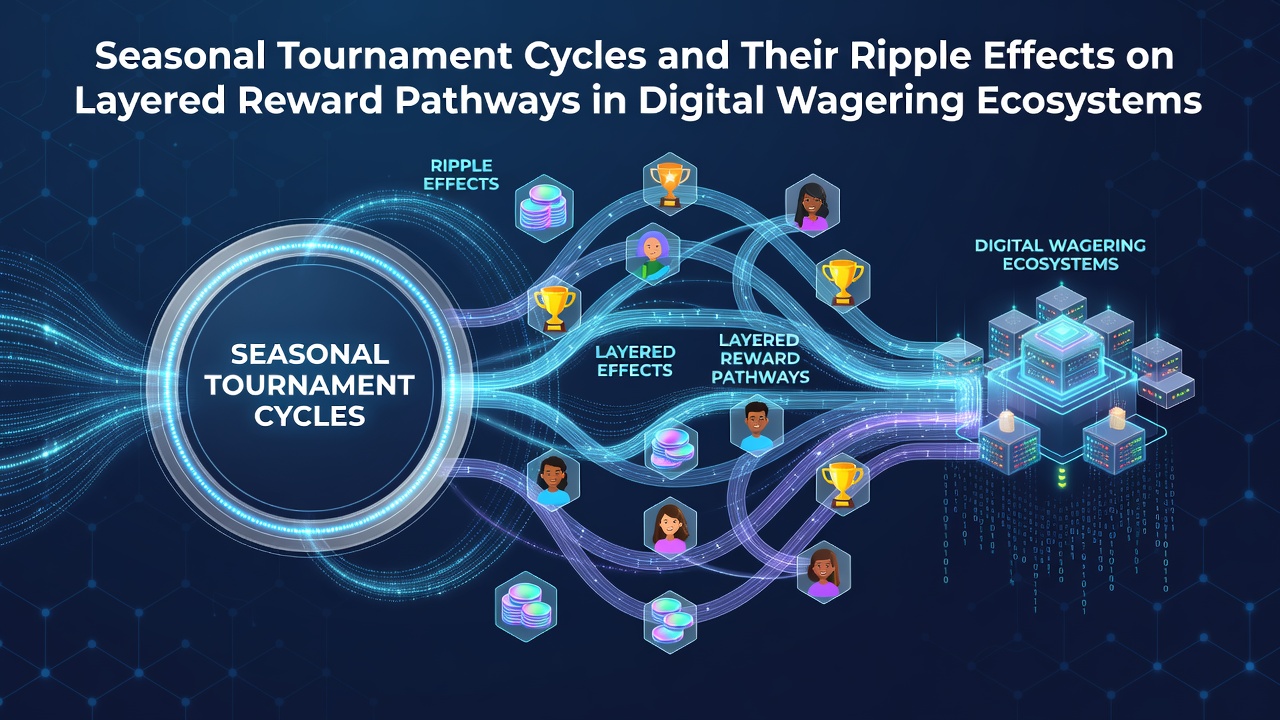
Seasonal tournament cycles shape digital wagering ecosystems through recurring patterns of major events that include college basketball championships, soccer world cups, and football playoffs, each one triggering adjustments in reward pathways that platforms use to manage player progression and retention. Observers note these cycles create predictable surges in activity that force operators to recalibrate layered incentive structures, from initial deposit matches through ongoing reload offers and tiered VIP programs, so that engagement remains consistent even as event intensity fluctuates.
How Tournament Timing Influences Reward Layer Adjustments
Platforms align bonus availability with tournament calendars because data shows participation rates climb sharply during high-profile periods, prompting the release of event-specific promotions that feed directly into progression systems. A reload bonus activated during March Madness brackets, for instance, often carries wagering requirements that advance players toward higher VIP levels faster than standard offers, while post-tournament cooldown phases shift emphasis toward maintenance rewards designed to sustain bankrolls between major cycles. Researchers tracking these patterns across North American and European markets find that such timed adjustments reduce churn by linking short-term event excitement to longer-term loyalty mechanics.
Those who study platform analytics observe that the ripple effect extends beyond immediate bonuses into the architecture of reward pathways themselves, where tournament-driven volume increases the frequency of tier upgrades and unlocks additional benefits like reduced withdrawal times or exclusive tournament entries. In June 2026, several major operators introduced summer soccer qualifiers tied to layered reward resets, allowing players who completed spring cycles to carry forward partial progress into new seasonal tracks rather than starting from baseline levels again.
Layered Pathways and Their Response to Event-Driven Volume
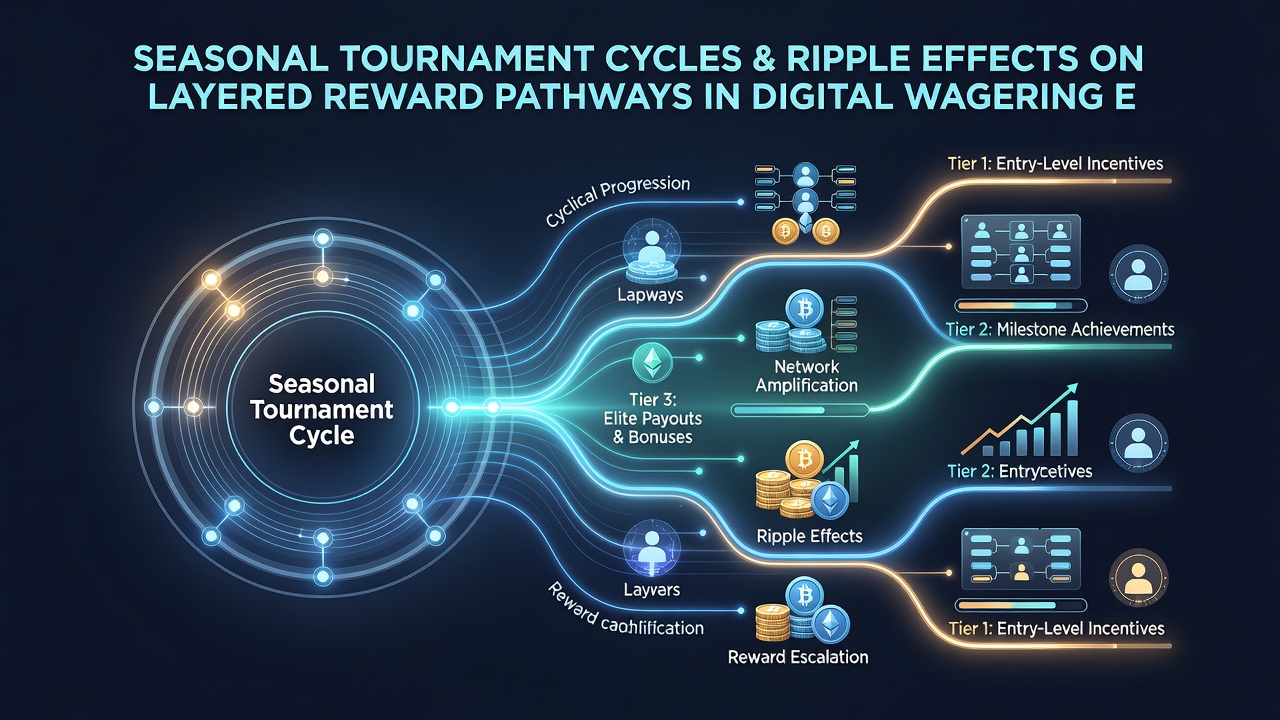
Digital wagering systems typically organize rewards into stacked layers that begin with welcome packages, move through periodic reloads, and culminate in personalized VIP structures, each layer calibrated to absorb fluctuations caused by seasonal tournaments. When tournament volume rises, operators increase the density of qualifying activities within these layers so that players accumulate points or cashback at accelerated rates, effectively shortening the distance between tiers during peak months. Data from the American Gaming Association indicates that handle growth during playoff periods correlates with measurable upticks in tier advancement rates, particularly among mobile users who engage with multiple sports simultaneously.
What's interesting is how these adjustments create feedback loops: players who advance through layers during one tournament often receive targeted offers for the next cycle, which in turn sustains platform activity during transitional months. Australian regulatory reports from state gaming commissions highlight similar dynamics, noting that layered reward systems in licensed markets adapt by weighting tournament participation more heavily in point calculations, thereby directing player behavior toward sustained engagement rather than one-off event betting.
Regional Variations in Cycle Management and Reward Distribution
North American platforms tend to front-load reward density ahead of football seasons, releasing progressive bonus ladders that build toward championship events, whereas European operators spread layered incentives across overlapping soccer and tennis calendars to maintain steady progression throughout the year. Canadian provincial data reveals that interprovincial tournament overlaps produce distinct spikes in VIP tier movements, prompting operators to introduce cross-sport reward multipliers that connect otherwise separate incentive tracks. These regional differences demonstrate how layered pathways function as adaptive mechanisms rather than static programs, responding to the unique rhythm of local sporting calendars.
Academic analyses from European research institutions further show that prediction market activity during tournament windows influences reward pathway design, with platforms incorporating outcome-based bonuses that reward accurate bracket predictions while simultaneously advancing players through cashback tiers. Such integrations create additional ripple effects because successful predictions often trigger bonus releases that feed back into the same layered systems, accelerating progression for active participants.
Longer-Term Effects on Player Retention and Platform Economics
Over multiple seasons, the cumulative impact of tournament cycles on layered reward pathways becomes evident in retention metrics, where players who navigate several event-driven progressions exhibit higher lifetime value through accumulated tier benefits and personalized offers. Platforms respond by refining point systems to account for seasonal variance, ensuring that off-peak months do not erode the momentum built during tournament peaks. Industry reports compiled by the European Gaming and Betting Association document how these refinements contribute to more stable revenue streams, as reward layers continue to operate effectively even when tournament calendars enter quieter phases.
Conclusion
Seasonal tournament cycles continue to serve as primary drivers of adaptation within digital wagering reward architectures, prompting ongoing recalibration of layered pathways to match the tempo of major events. The resulting ripple effects influence everything from bonus frequency to tier advancement rates, creating interconnected systems that respond dynamically to calendar-driven volume changes across global markets. As operators refine these mechanisms through 2026 and beyond, the relationship between tournament timing and reward distribution remains a central factor in platform design and player progression tracking.