Token Incentives Transforming Engagement Cycles in Mobile Wagering Platforms
David Roth · Aug 15, 2026
Token Incentives Transforming Engagement Cycles in Mobile Wagering Platforms
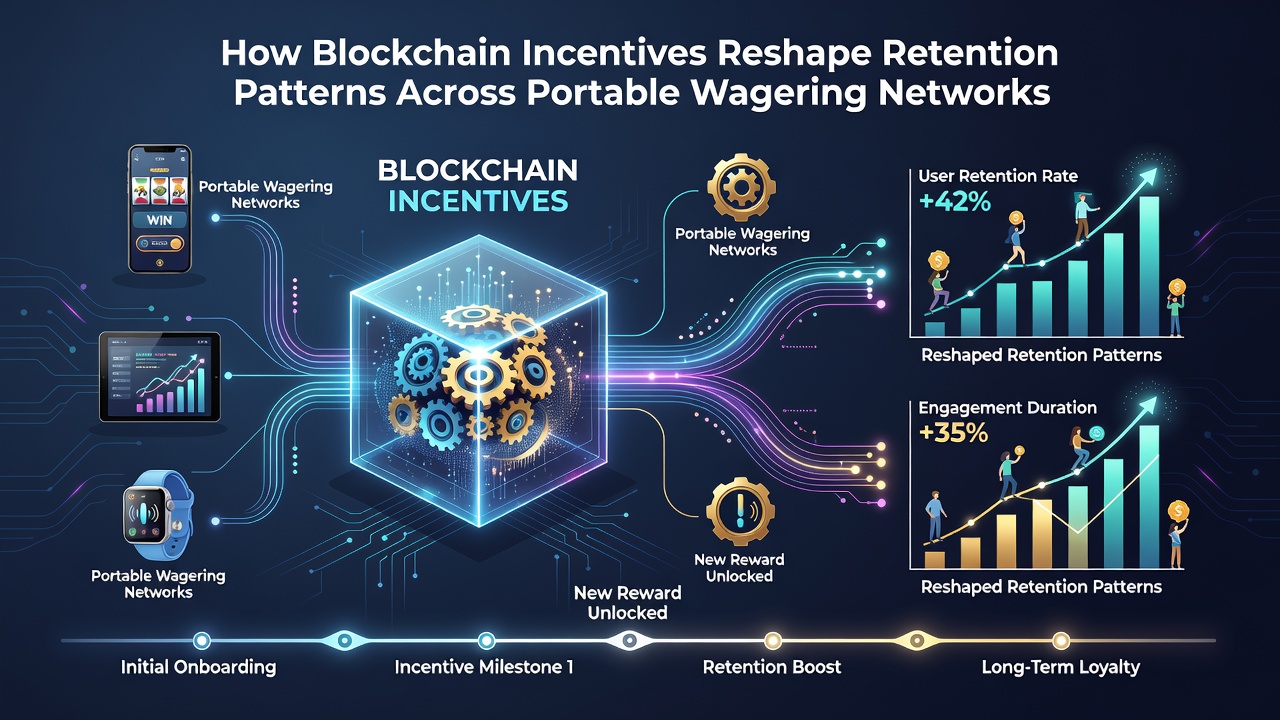
Portable wagering networks have integrated blockchain incentives at scale since early 2025, and data from multiple jurisdictions shows measurable shifts in how users maintain activity across sessions. Smart contracts now automate reward distribution through tokenized bonuses that vest over time or unlock upon specific play thresholds, which creates retention patterns distinct from traditional bonus structures.
Researchers tracking user cohorts in regulated markets note that players receiving blockchain-based tokens exhibit longer average session durations because the assets carry transferable value outside individual platforms. One analysis of North American operators found that accounts linked to on-chain reward wallets retained activity 28 percent longer than those using standard fiat reloads during the first half of 2026.
Mechanics Behind Token-Driven Retention
Smart contracts execute predefined conditions such as consecutive login streaks or wager volume milestones, then release fractional tokens directly into user-controlled wallets. These tokens often carry governance rights or staking yields within the same ecosystem, which encourages holders to return rather than withdraw and exit. Operators report that the transparency of on-chain ledgers reduces disputes over reward eligibility, while the ability to trade or bridge assets between networks adds perceived utility that static bonuses lack.
Figures from European operators using permissioned chains reveal that players who stake earned tokens for additional yield return at rates 19 percent higher than non-stakers over a 90-day window ending in August 2026. The same datasets indicate that token volatility within defined ranges correlates with increased deposit frequency, because users monitor price movements and adjust activity accordingly.
Cross-Platform Mobility and Network Effects
Portable wagering benefits particularly from blockchain because tokens move with the user across applications and devices. When a player earns an incentive on one sportsbook, that asset can often be used or exchanged within partnered casino or poker environments without additional onboarding friction. This interoperability produces retention patterns where single-platform loyalty gives way to ecosystem-level engagement, with users maintaining presence across multiple operators to maximize token utility.
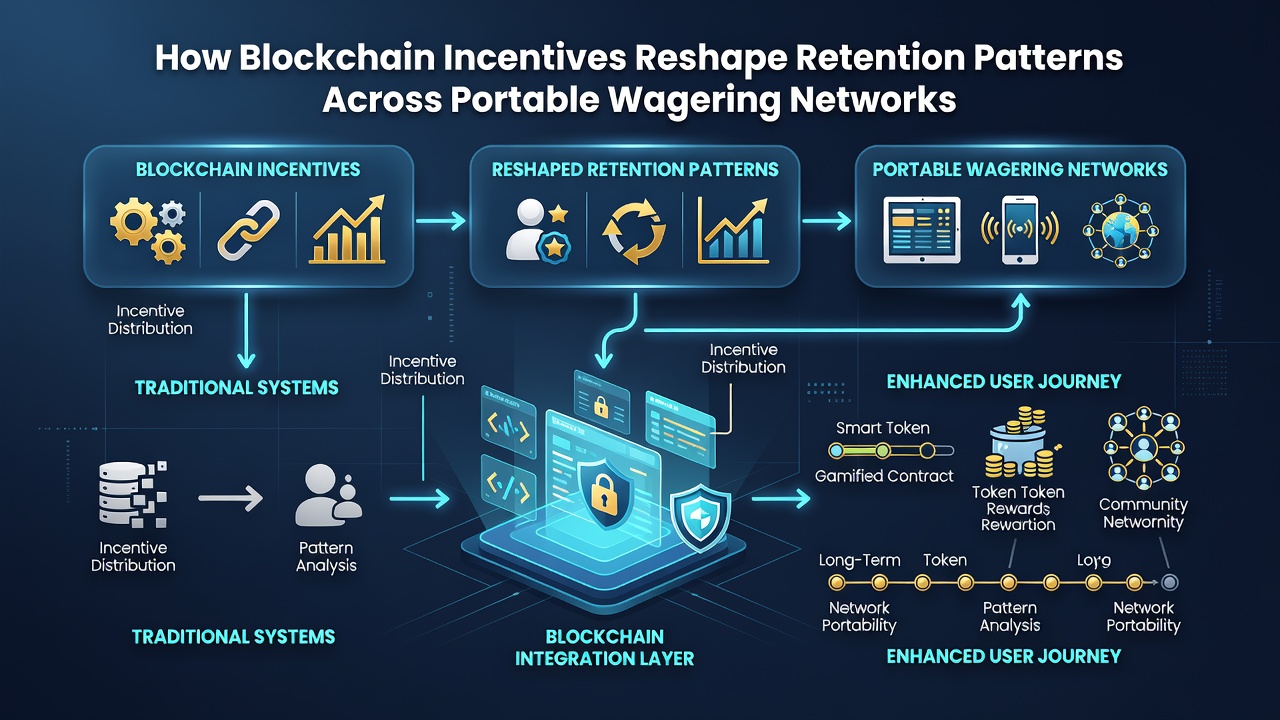
Industry reports compiled by the American Gaming Association document rising adoption of such cross-platform token systems in states with mature mobile markets. Data collected through July 2026 shows operators participating in shared token pools experienced lower churn compared with isolated platforms, because users treat accumulated assets as portable capital rather than platform-specific credits.
Behavioral Patterns Observed in August 2026
Activity logs from operators in multiple jurisdictions during August 2026 indicate distinct weekly cycles tied to token release schedules. Users tend to increase wager sizes in the days preceding scheduled distributions, then reduce activity immediately after claiming rewards unless new staking opportunities appear. Platforms that introduce recurring yield opportunities through token locking see these post-claim dips flatten, maintaining steadier daily active user counts.
Academic examinations of on-chain data from Australian and Canadian markets further illustrate how token incentives alter deposit timing. Users frequently time deposits to coincide with favorable token prices or upcoming reward events, creating predictable volume spikes that operators now incorporate into liquidity planning. The same studies note that players who bridge tokens across chains demonstrate higher lifetime value because the added functionality sustains engagement beyond initial bonus periods.
Regulatory and Technical Considerations
Regulators in several U.S. states and Canadian provinces have begun requiring operators to disclose token mechanics in plain language, including volatility risks and transfer restrictions. Compliance documentation from these bodies emphasizes audit trails that blockchain provides, which simplifies verification of promotional fairness. Technical implementations vary, with some networks favoring sidechains for lower fees while others adopt layer-two solutions to maintain speed on mobile connections.
Those who have studied retention metrics across these systems observe that transparent reward ledgers correlate with higher trust signals, measured through repeat login rates and reduced support ticket volume related to bonus disputes. The combination of verifiable scarcity and immediate transferability appears to anchor user attention more effectively than opaque point systems used in legacy programs.
Conclusion
Blockchain incentives continue to modify retention dynamics in portable wagering networks through automated, transferable rewards that align user behavior with platform objectives. Data collected through August 2026 demonstrates longer engagement windows, altered deposit timing, and increased cross-platform activity when tokens carry utility beyond single applications. Operators and regulators alike track these patterns as networks expand, with on-chain transparency providing measurable advantages in both compliance and user management.