Tracing Loyalty Pathways Through Multi-Tiered Incentive Structures in Portable Gaming Ecosystems
Noah Schwarz · Jul 9, 2026
Tracing Loyalty Pathways Through Multi-Tiered Incentive Structures in Portable Gaming Ecosystems
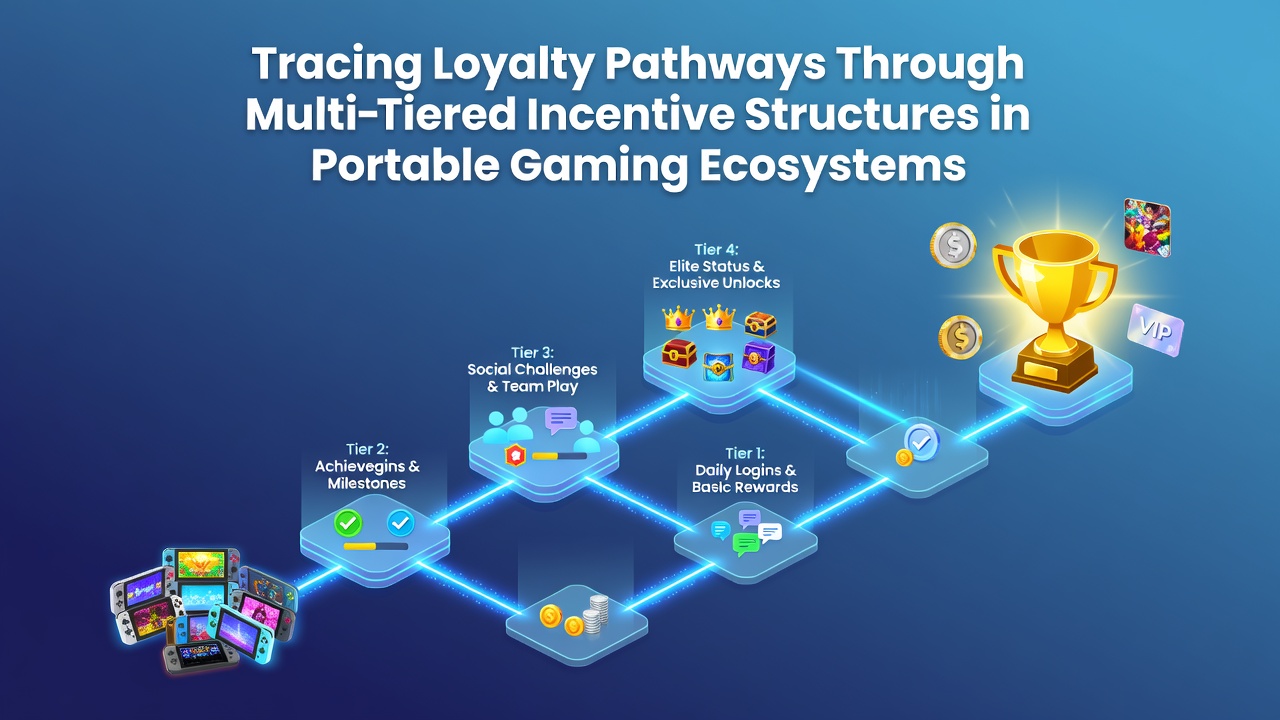
Data from portable gaming platforms shows users advancing through incentive layers at varying rates, with mobile ecosystems tracking every interaction from initial logins to sustained engagement across sessions. Developers structure these systems as ascending tiers that unlock incremental benefits while algorithms monitor behavioral patterns to adjust reward delivery in real time.
Core Components of Tiered Incentive Models
Portable gaming ecosystems rely on point accumulation systems that convert player actions into tier status, where basic participation earns entry-level credits and consistent activity pushes users toward premium brackets offering enhanced multipliers. Research from industry tracking services indicates these models operate on modular frameworks that separate immediate rewards from long-term progression markers, allowing platforms to maintain engagement without overwhelming new participants.
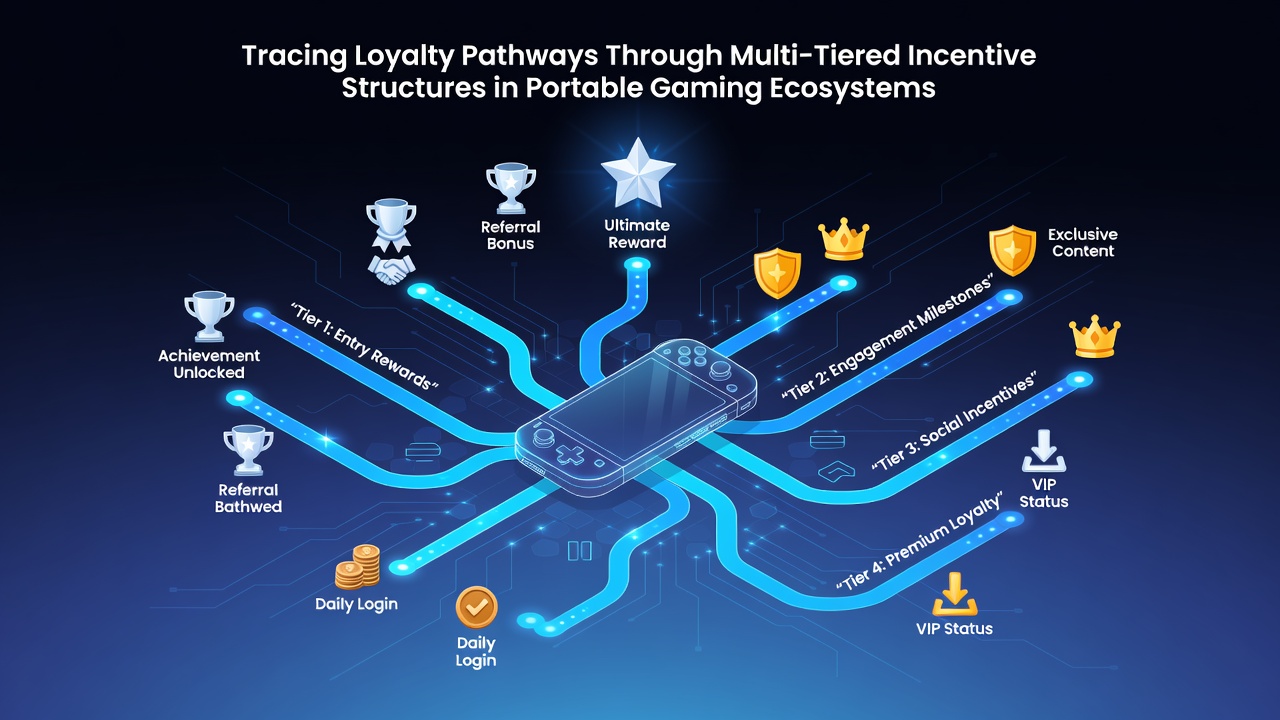
Systems often segment incentives into categories such as daily login streaks, challenge completions, and social referrals, each feeding into a central loyalty ledger visible through app dashboards. Observers note that effective designs balance accessibility with aspiration, ensuring early tiers deliver quick wins while higher levels require strategic commitment over weeks or months.
Progression Pathways in Mobile Environments
Users typically begin at foundational levels where simple tasks like tutorial completion and first-week logins grant starter packs, then transition into intermediate stages that incorporate time-limited events and cross-game synergies within the same ecosystem. Data indicates progression accelerates when platforms integrate location-based triggers or device notifications that remind participants of pending milestones, though retention metrics vary by region and game genre.
Advanced tiers introduce personalized elements such as custom avatars, priority support queues, and exclusive content drops that reflect accumulated history rather than one-time purchases. Those who've studied mobile retention patterns find that players who reach mid-tier status within 30 days show higher lifetime value compared to those who stall at entry points, prompting developers to refine onboarding sequences accordingly.
Integration with Broader Ecosystem Dynamics
Portable platforms frequently link loyalty structures to external factors including device compatibility updates and seasonal content releases, creating pathways that evolve alongside software changes. Figures from July 2026 platform reports reveal increased tier migration during major update cycles when new incentive categories align with fresh gameplay mechanics, sustaining momentum across user bases.
Cross-promotional elements connect separate titles under one publisher umbrella, where progress in one game contributes points usable in another, forming networked loyalty webs that discourage fragmentation. Researchers tracking these connections have documented how such linkages reduce churn rates by offering multiple entry points back into active participation even after temporary absences.
Measurement and Adjustment Mechanisms
Analytics suites embedded in portable gaming apps capture granular data on tier advancement speeds, identifying bottlenecks where users disengage before reaching subsequent levels. Adjustments occur through A/B testing of reward values and threshold requirements, with successful iterations rolled out platform-wide based on aggregate performance indicators rather than individual cases.
Regulatory frameworks in various jurisdictions require transparency around how incentive structures influence spending patterns, leading developers to publish clear tier criteria and redemption rules accessible within app settings. Reports compiled by groups such as the American Gaming Association highlight ongoing refinements that align these systems with responsible play guidelines across North American markets.
Regional Variations in Implementation
European portable ecosystems emphasize privacy-compliant tracking that anonymizes progression data while still delivering personalized tier benefits, whereas Asia-Pacific platforms often incorporate social leaderboards that amplify competitive elements within loyalty pathways. Studies conducted through academic partnerships in Australia show regional differences in tier completion times, with cultural preferences shaping which incentive types drive the strongest engagement.
Global operators maintain separate rule sets for different app stores to comply with local standards, yet core progression logic remains consistent to support unified backend management. This approach allows simultaneous updates across territories while preserving localized reward flavors that resonate with specific user demographics.
Conclusion
Multi-tiered incentive structures continue evolving as portable gaming ecosystems expand, with loyalty pathways adapting to new technologies and user expectations through iterative design processes. Tracking these developments reveals consistent patterns where balanced tier access correlates with sustained platform activity across diverse markets and device types.