Tracing Virtual Currency Incentives Through Extended Engagement Routes in Digital Gaming Platforms
Noah Schwarz · Aug 18, 2026
Tracing Virtual Currency Incentives Through Extended Engagement Routes in Digital Gaming Platforms
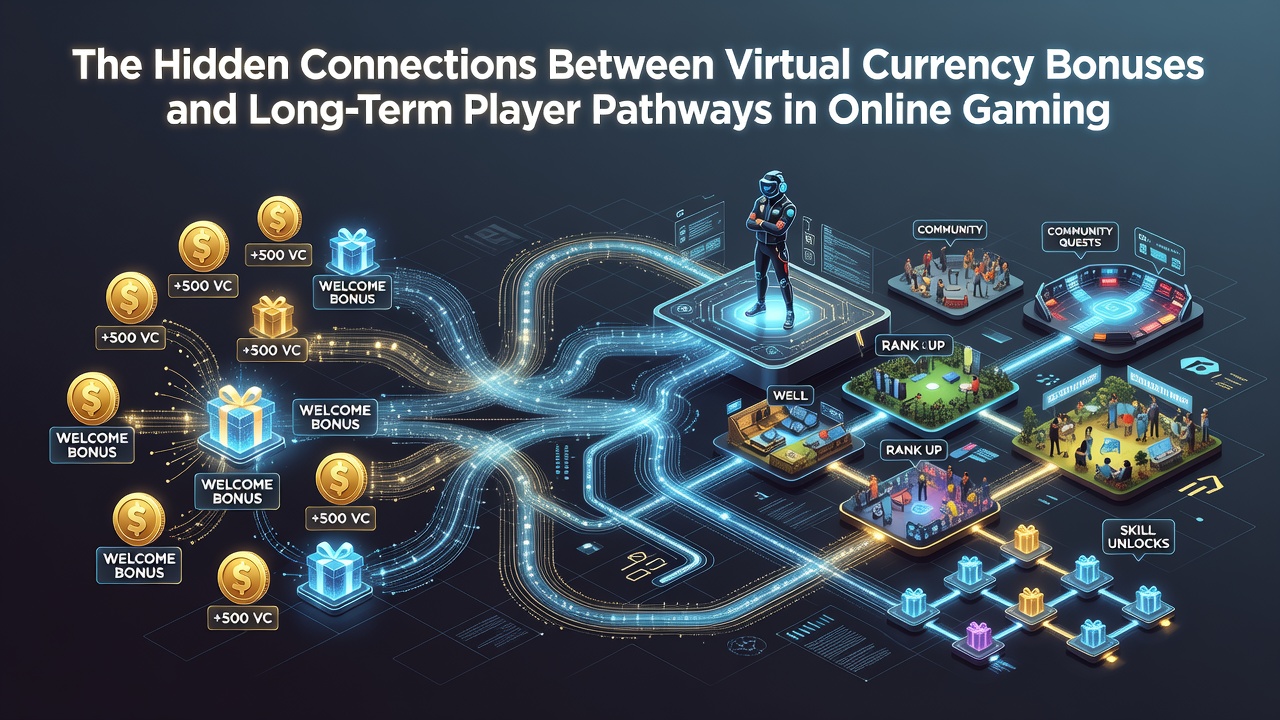
Virtual currency bonuses in online gaming function as entry points that connect directly to structured progression systems, where players accumulate tokens, credits, or blockchain-based assets over repeated sessions. These mechanisms appear in platforms ranging from mobile puzzle games to massive multiplayer environments, and data from industry reports show they correlate with extended login frequencies. According to figures released by the American Gaming Association, virtual asset rewards contributed to a measurable uptick in monthly active users across participating titles during early 2026.
Mechanics of Bonus Distribution
Platforms distribute virtual currency through tiered reward schedules that reward consistent activity, such as daily logins or mission completions, and these bonuses often convert into in-game advantages or tradable items. Researchers tracking player cohorts note that early bonus receipt frequently leads to account upgrades within the first thirty days, while subsequent layers of incentives encourage movement into higher-value participation brackets. One study conducted by analysts at a Canadian research institute highlighted how crypto-linked bonuses in select gaming ecosystems produced retention rates 18 percent above baseline averages for non-rewarded accounts.
August 2026 saw several major platforms adjust their virtual currency algorithms to account for volatility in underlying token values, which in turn altered the speed at which players advanced along defined pathways. These adjustments maintained parity between bonus value and gameplay utility, preventing rapid depletion that had appeared in earlier implementations.
Pathway Mapping Across Player Lifecycles
Long-term pathways typically unfold in stages beginning with acquisition bonuses, advancing through loyalty multipliers, and culminating in premium status tiers that unlock exclusive virtual asset pools. Observers examining telemetry from European operators found that players who accepted initial virtual currency offers showed higher probabilities of reaching mid-tier milestones compared with those who bypassed such offers. The connections become visible when examining sequence data: bonus redemption often precedes a measurable increase in session duration, which then feeds into social or competitive features that sustain engagement.
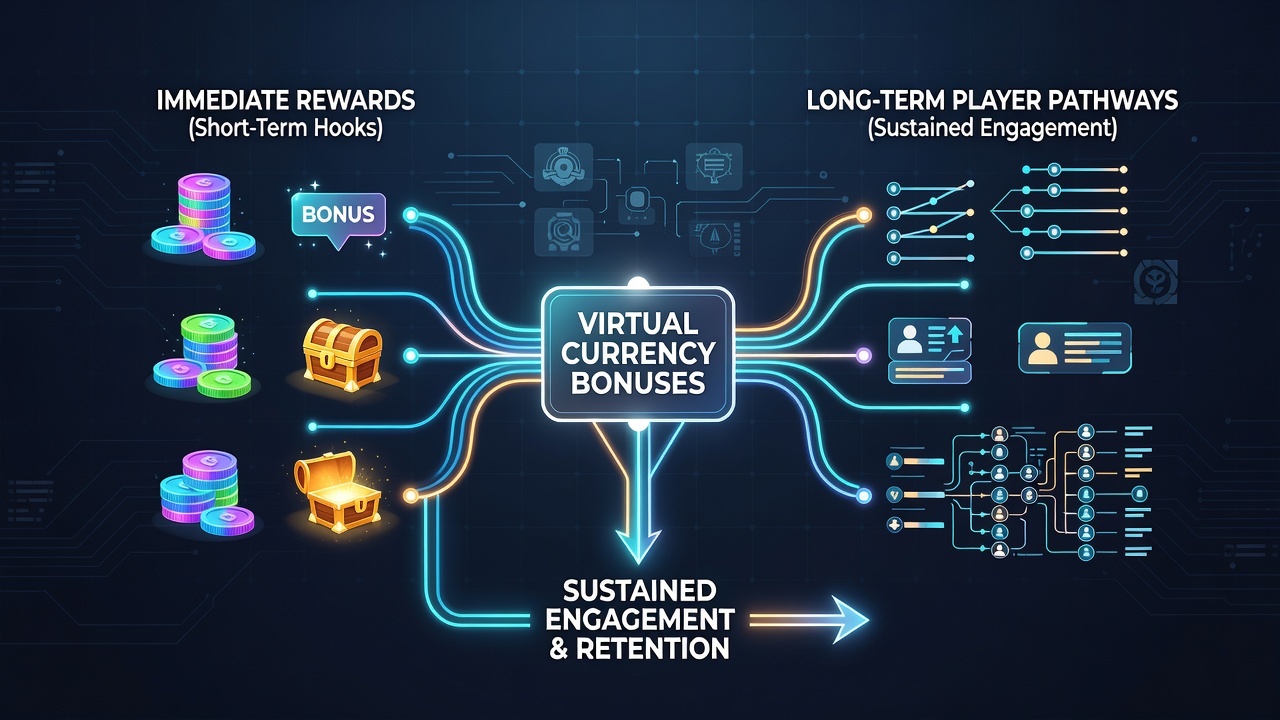
Industry organizations such as the Interactive Games & Entertainment Association have documented similar patterns in Australian markets, where virtual currency systems integrated with progression trees produced sustained revenue per user across twelve-month windows. These records indicate that the timing of bonus releases aligns closely with natural drop-off points, effectively extending active periods before players disengage.
Cross-Platform Data Patterns
Comparative analysis across regions reveals consistent linkages between bonus structures and pathway duration, though regulatory environments shape implementation details. In jurisdictions overseen by the Malta Gaming Authority, operators must report virtual asset flows separately from traditional currency, yielding granular datasets that confirm bonus recipients advance further along retention curves. Parallel observations from Ontario's iGaming framework demonstrate that blockchain-enabled bonuses correlate with elevated cross-game migration rates, as players transfer accumulated assets between titles within the same ecosystem.
Academic papers published through university consortia in Asia have further quantified how virtual currency velocity influences long-term behavior, showing that rapid conversion of bonuses into usable assets accelerates progression while slower mechanisms encourage repeated visits. These findings align with operational statistics released in mid-2026, where platforms incorporating adjustable virtual currency parameters recorded steadier retention curves amid fluctuating market conditions.
Conclusion
Virtual currency bonuses operate as connective tissue between initial player entry and extended participation routes, supported by distribution mechanics, lifecycle data, and regional reporting frameworks. Evidence from multiple regulatory bodies and research entities continues to map these relationships, providing operators with measurable indicators for refining incentive architectures while maintaining compliance across diverse markets.